
The Smoky Soul of Mexico: Unraveling the Mystique of Mezcal
By Victorioso Mezcal
Mezcal, the name derived from the Nahuatl word mexcalli meaning 'cooked agave,' has been a cornerstone of Mesoamerican culture for millennia.
Imagine yourself standing in the heart of Oaxaca, surrounded by the majestic agave fields that stretch as far as the eye can see. The air is filled with the sweet scent of roasting agave, and the sound of laughter echoes from a nearby palenque, a traditional mezcal distillery. This is where the story of mezcal begins — a tale of tradition, family, and the enduring spirit of Mexican culture.
A Spirit Born from Tradition
Mezcal, the name itself derived from the Nahuatl word mexcalli, meaning "cooked agave," has been a cornerstone of Mesoamerican culture for millennia. Its history predates the arrival of Spanish conquistadors, with indigenous peoples fermenting agave sap over 2,000 years ago. However, it was the introduction of distillation by the Spanish in the 16th century that transformed these early fermented beverages into the potent, complex spirit we know today.
Unlike tequila, which is made exclusively from Blue Weber agave in designated regions of Jalisco, mezcal can be crafted from over 30 different agave species across nine Mexican states. This diversity of raw material — each species with its own maturation timeline, sugar content, and flavor profile — is the source of mezcal's extraordinary range of expression.
The Palenque: Where Magic Happens
A traditional Oaxacan palenque is unlike any other distillery in the world. There are no shining stainless-steel tanks, no computerized monitoring systems, no uniform batches. Instead, you find earthen roasting pits lined with volcanic rock, wooden fermentation vats stained with decades of use, hand-cranked tahona wheels, and copper pot stills tended by mezcaleros who learned their craft from fathers and grandfathers.
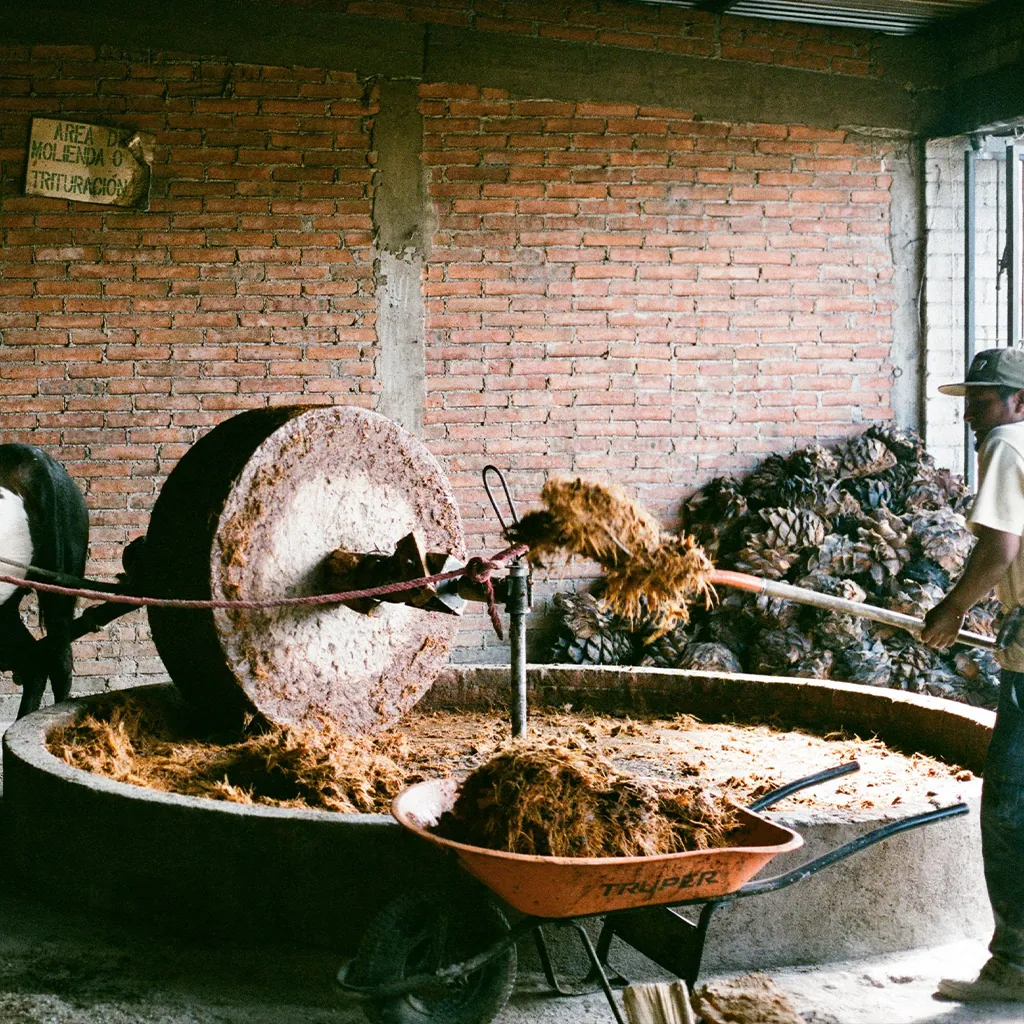
The process begins with the harvest — piñas cut from agave plants that have grown for a decade or more. These are loaded into pit ovens and roasted with smoldering mesquite wood for three days, slowly transforming raw starchy hearts into caramelized, smoky sweetness. After cooling, the roasted piñas are crushed by a stone tahona wheel pulled by a horse or mule, separating the fibrous pulp from its rich juice.
Smoke as Fingerprint
The smokiness of mezcal is perhaps its most iconic characteristic — and also the most misunderstood. Smoke is not a flavoring agent added to the spirit; it is an inseparable consequence of the roasting process. The Maillard reaction and caramelization that occur during three days of pit roasting embed aromatic smoke compounds directly into the sugars of the agave. These compounds persist through fermentation and distillation, arriving intact in the final spirit.
Different wood types, pit depths, rock compositions, and roasting durations all create subtly different smoke profiles. A mezcal from the Central Valleys of Oaxaca will carry different smoke notes than one from the Sierra Juárez mountains — even if made from the same agave variety. This is terroir in its purest form.
Mezcal as Cultural Memory
In Oaxacan communities, mezcal is not simply a beverage. It is a ritual offering at weddings, funerals, and harvest celebrations. It is a medicine, a social bond, and a living connection to ancestors who tended the same agave fields. When the Sernas family crafts Victorioso Mezcal using the same methods their grandfather used, they are not merely producing a spirit — they are preserving a way of life.
More from the Journal
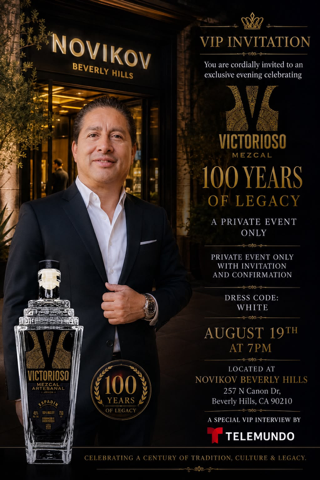
100 Years of Sernas Family Mezcal Tradition at Novikov
On August 19, Victorioso Mezcal gathers at Novikov Beverly Hills to celebrate 100 years of the Sernas family’s mezcal tradition.
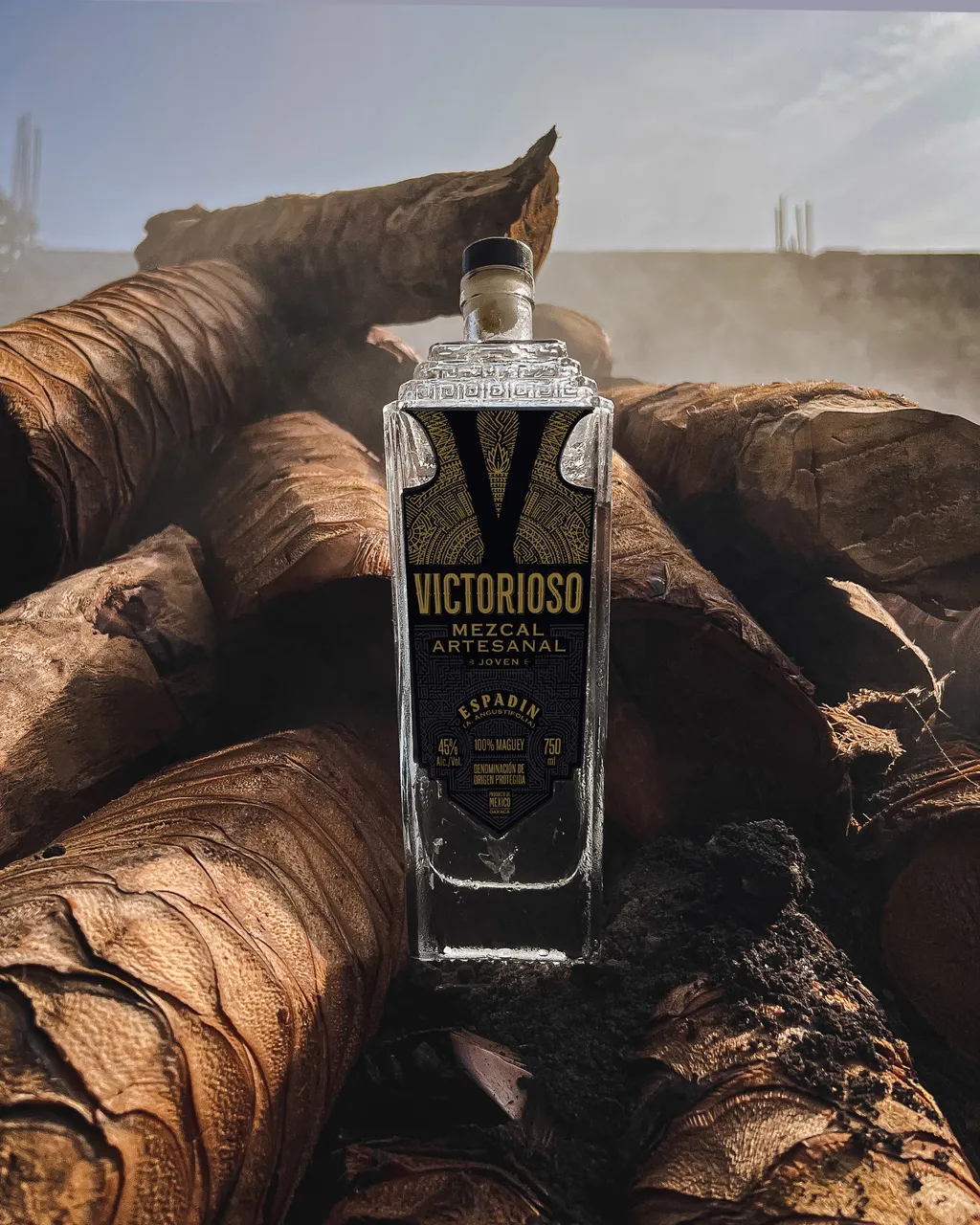
An Evening at Novikov — When Beverly Hills Discovered Mezcal
On a warm June night in Beverly Hills, Victorioso Mezcal took over one of LA's most celebrated restaurants. Here is what happened when artisanal Oaxacan craft met the most demanding room in California.