
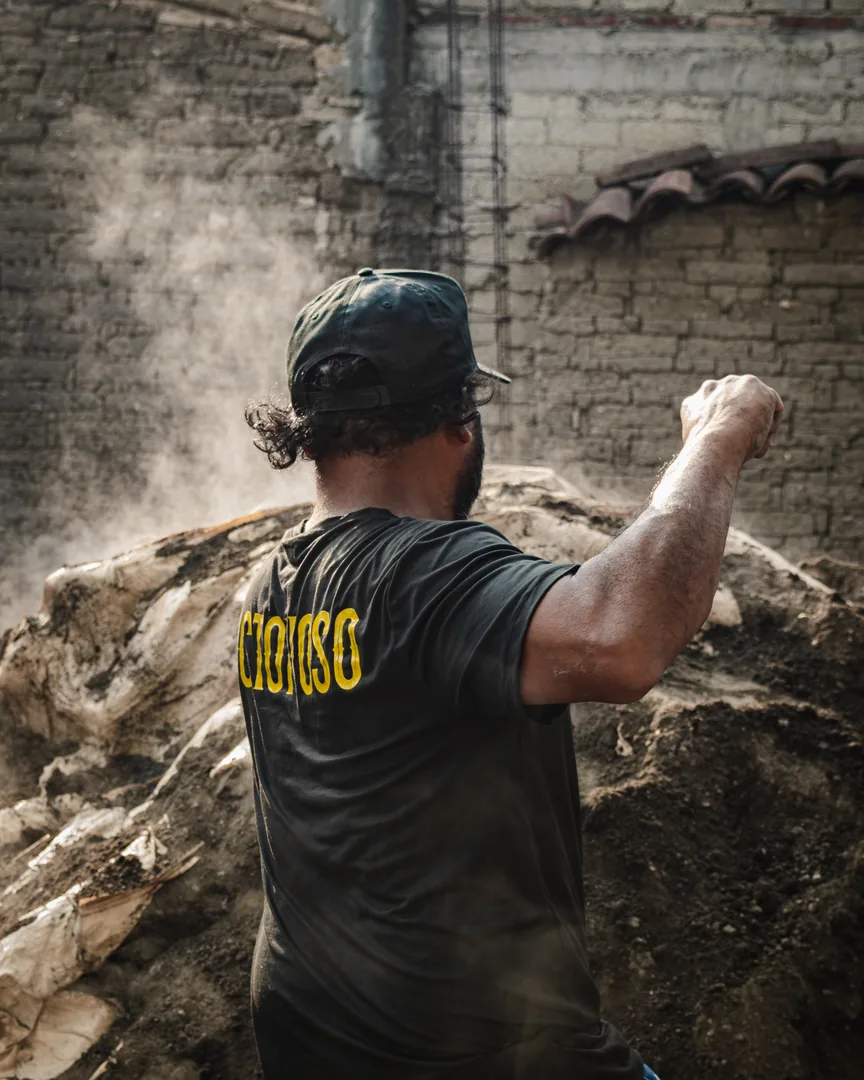
The Harvest
The Earth
Every bottle begins not with hands, but with patience. Below the volcanic soil of Santiago Matatlán lies the roasting pit — a clay oven built and tended by the Sernas family across three generations. This is where agave becomes memory.
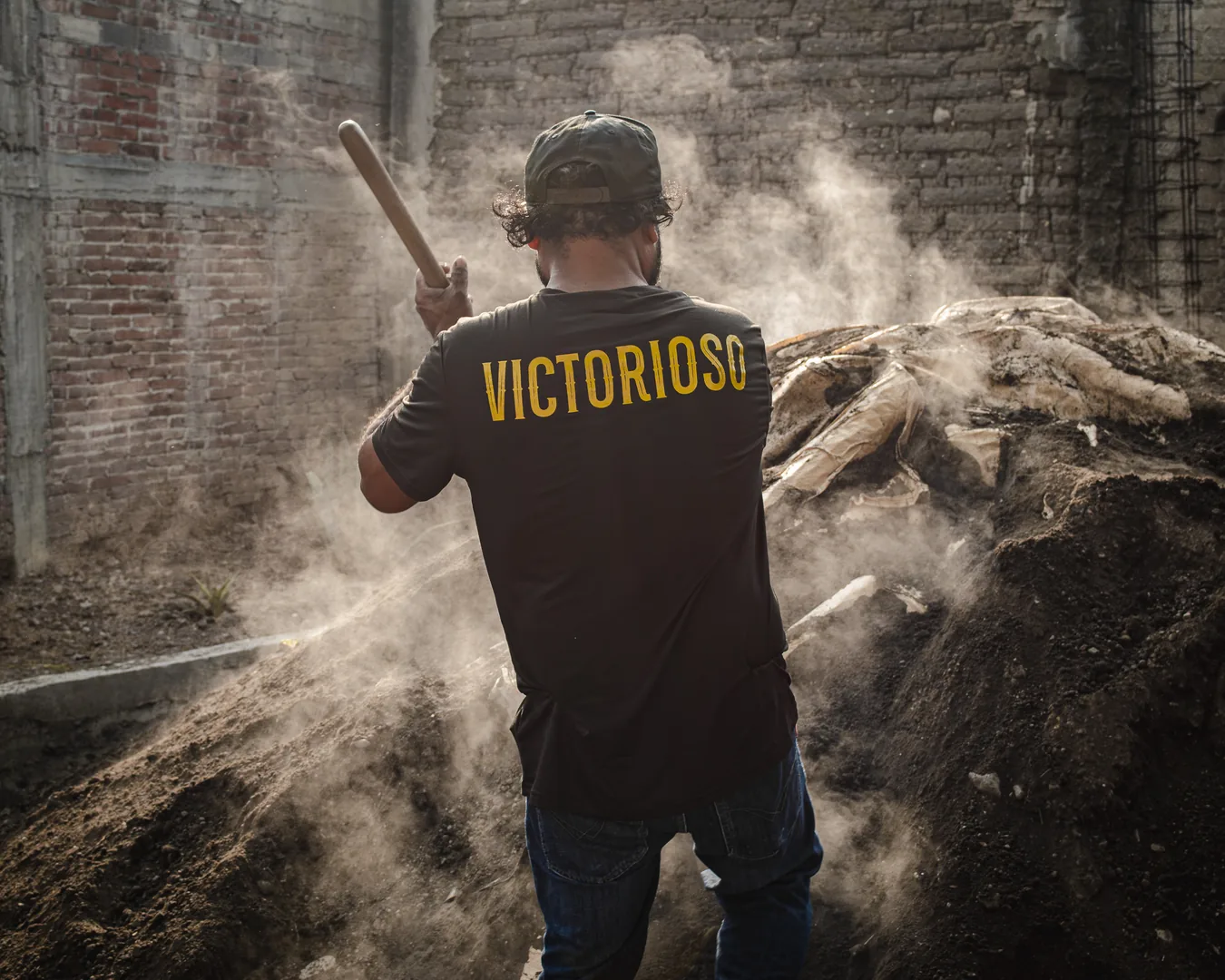
The Roast
The Fire
For 72 hours, agave piñas slow-roast over volcanic rock and mesquite wood. The smoke does not simply flavor the spirit — it carries the character of this specific land into every sip. It cannot be faked. It cannot be replicated.
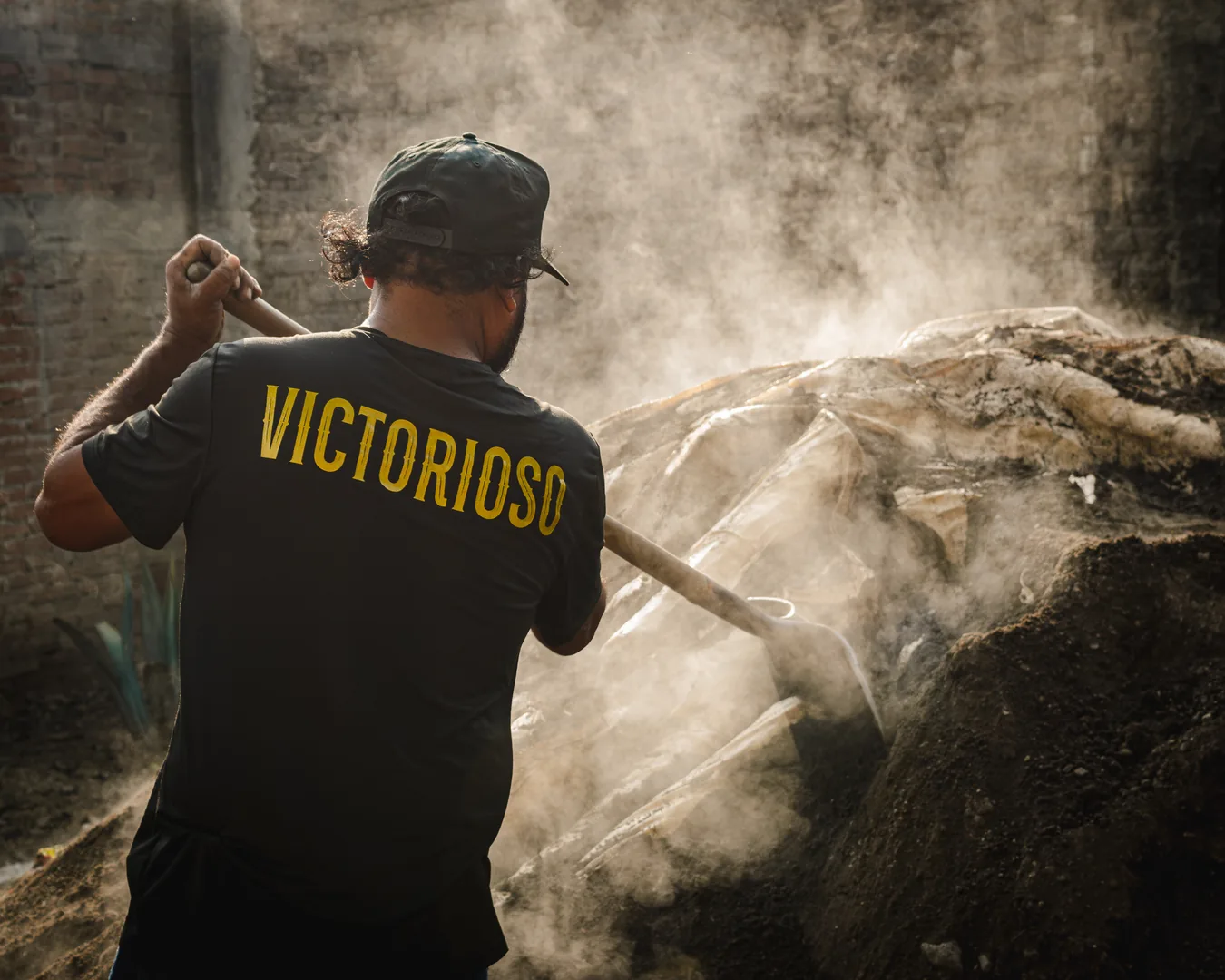
The Craft
The Labor
There are no machines here. The Maestro Mezcalero reads the roast the way a musician reads silence — by what is not yet there. Every piña is turned by hand, every decision made by instinct forged over a lifetime.
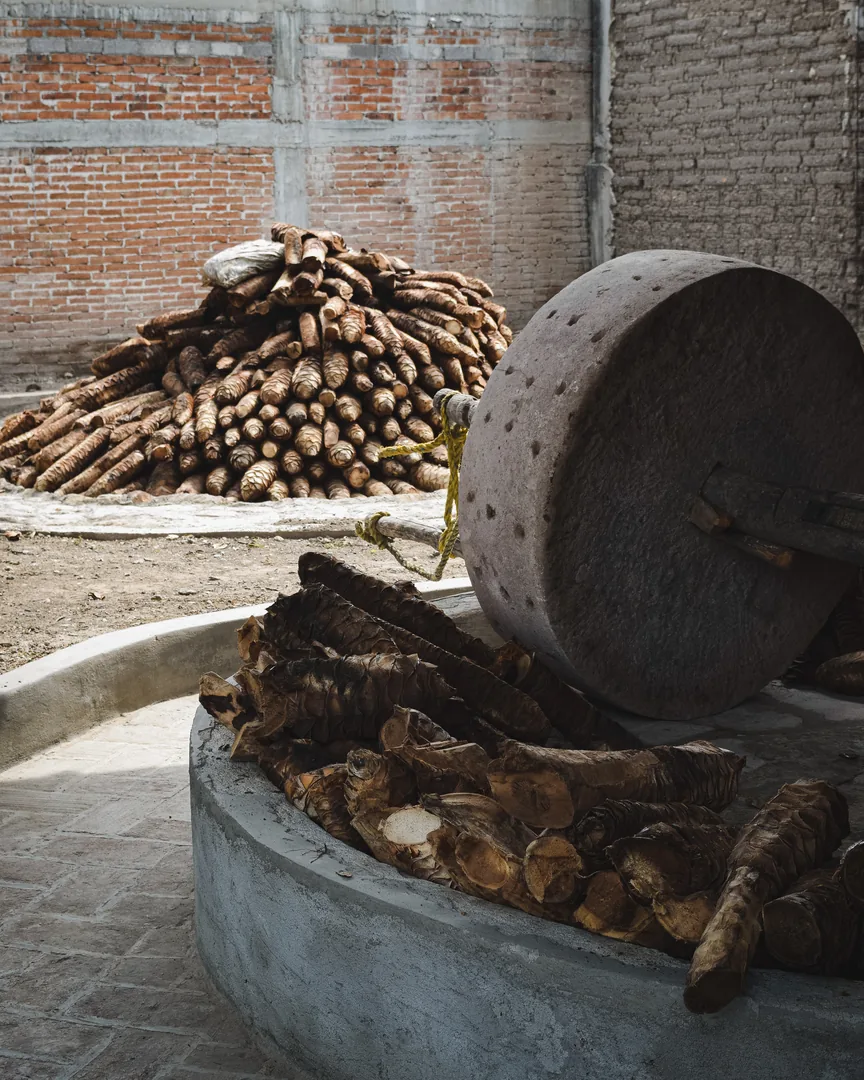
The Grinding
The Tahona
A two-ton volcanic stone, unchanged in three centuries. Drawn slowly in circles, it crushes the roasted agave into fibrous pulp — extracting juice, fiber, and something harder to name. A force this patient cannot be rushed.
The Expression
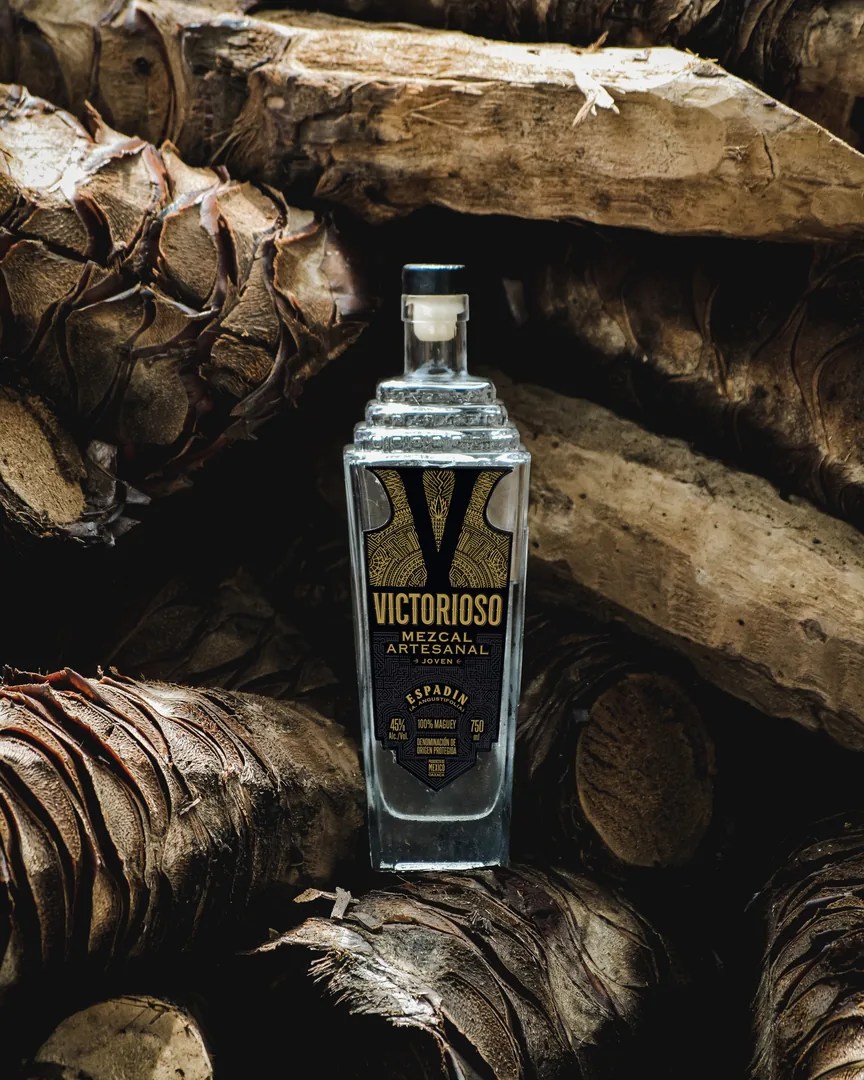
The Espadín
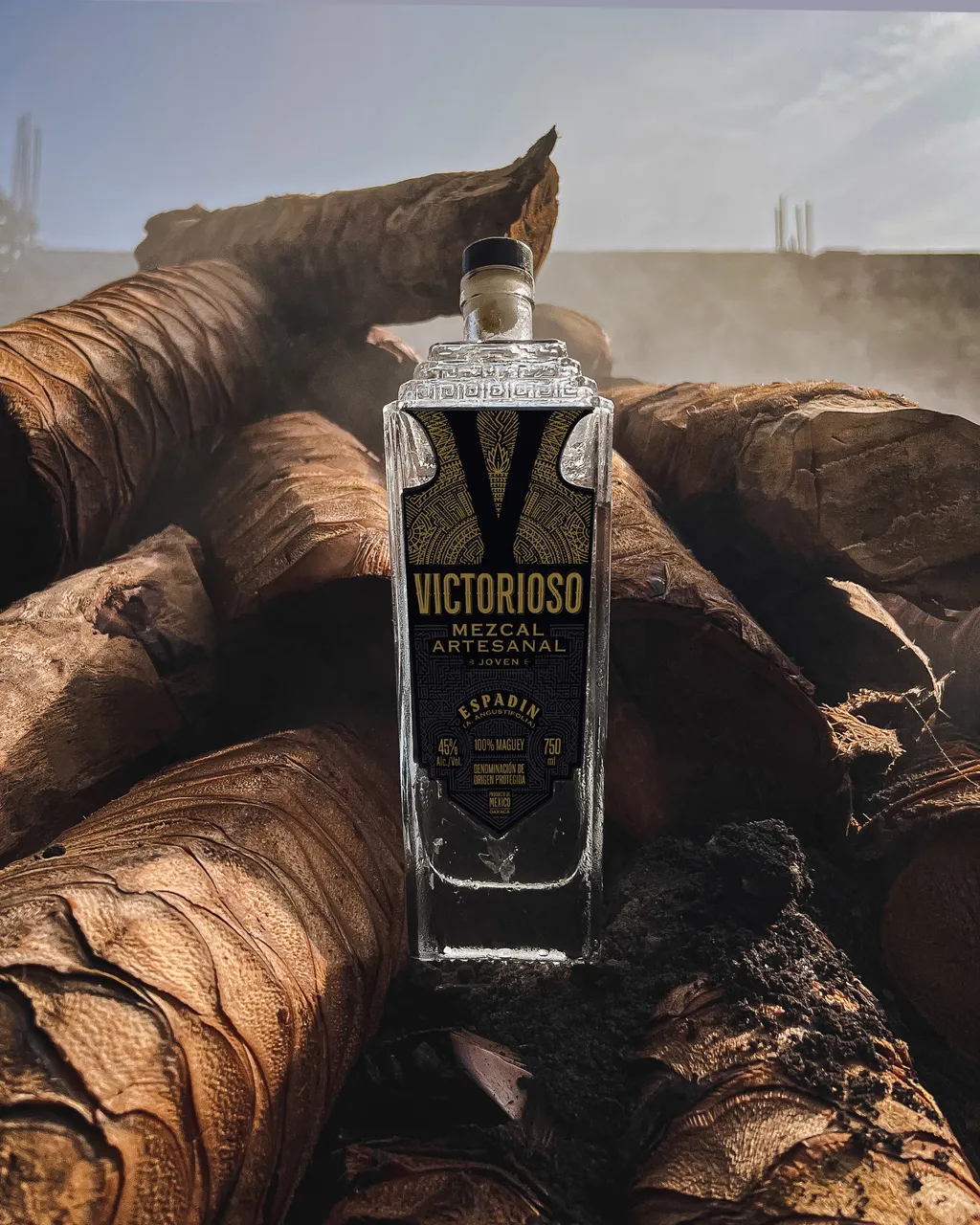
Agave Angustifolia — the most expressive maguey. After roasting, grinding, open-air fermentation, and two slow distillations in copper alembics, what remains carries the full memory of the earth it was born from.
The Territory
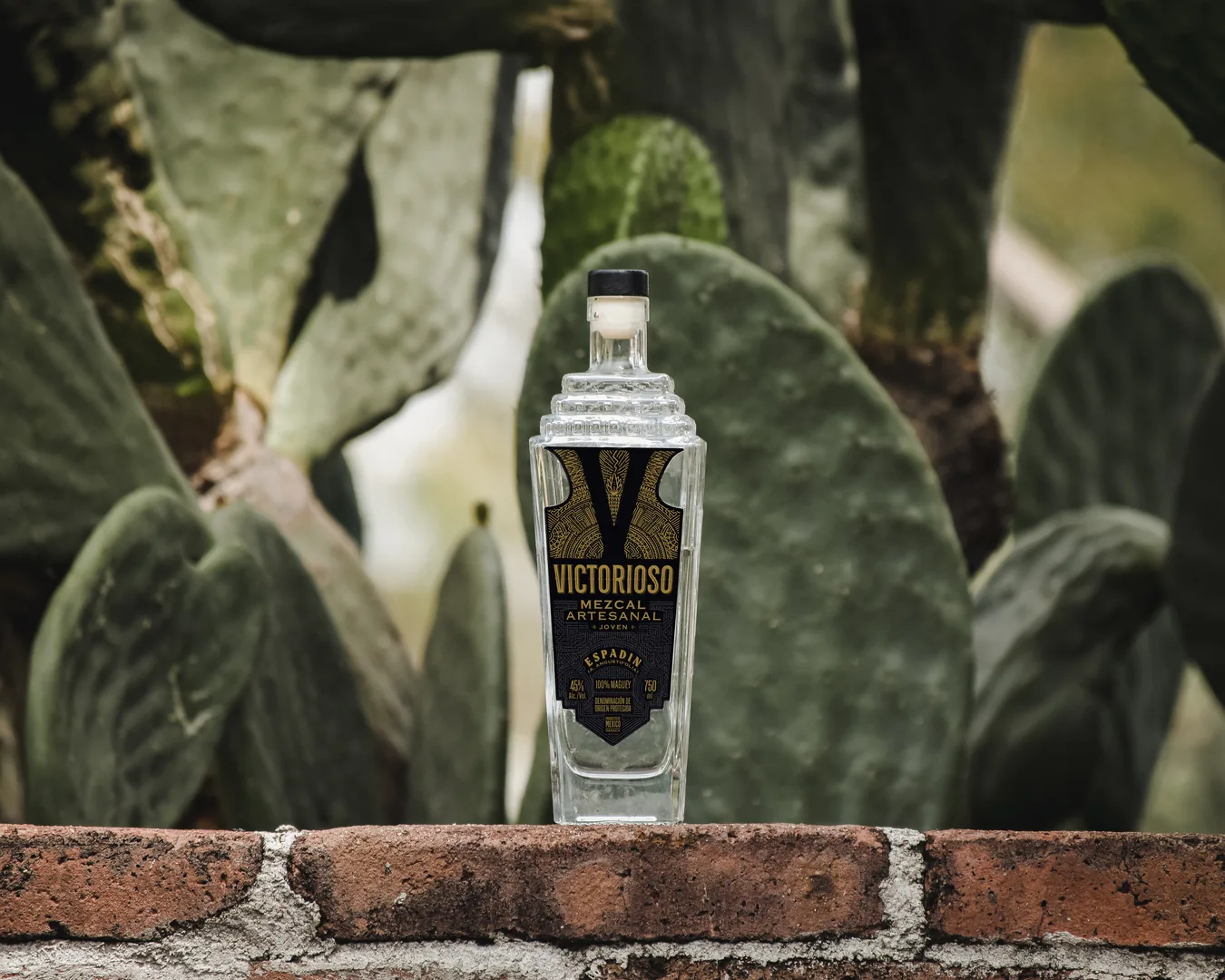
The Land
Oaxaca is not a backdrop. It is an ingredient. The volcanic soil, the elevation, the dry mountain air, the wild yeasts carried on the breeze — the land signs every bottle as surely as any maestro ever could.
The Rarity
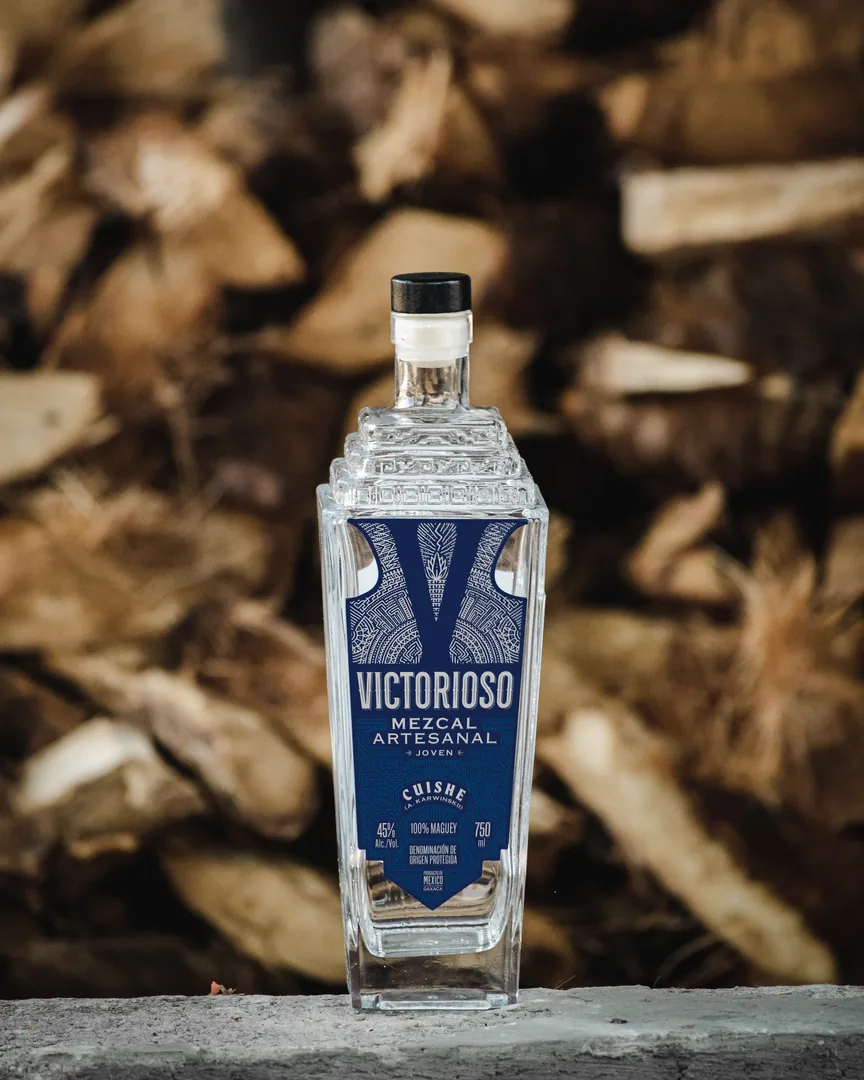
The Cuishe
Agave Karwinski — rare, wild, unhurried. A single plant takes fifteen years to reach maturity. We harvest only what the land offers freely, never more. This is not patience as virtue. It is patience as necessity.
The Culmination
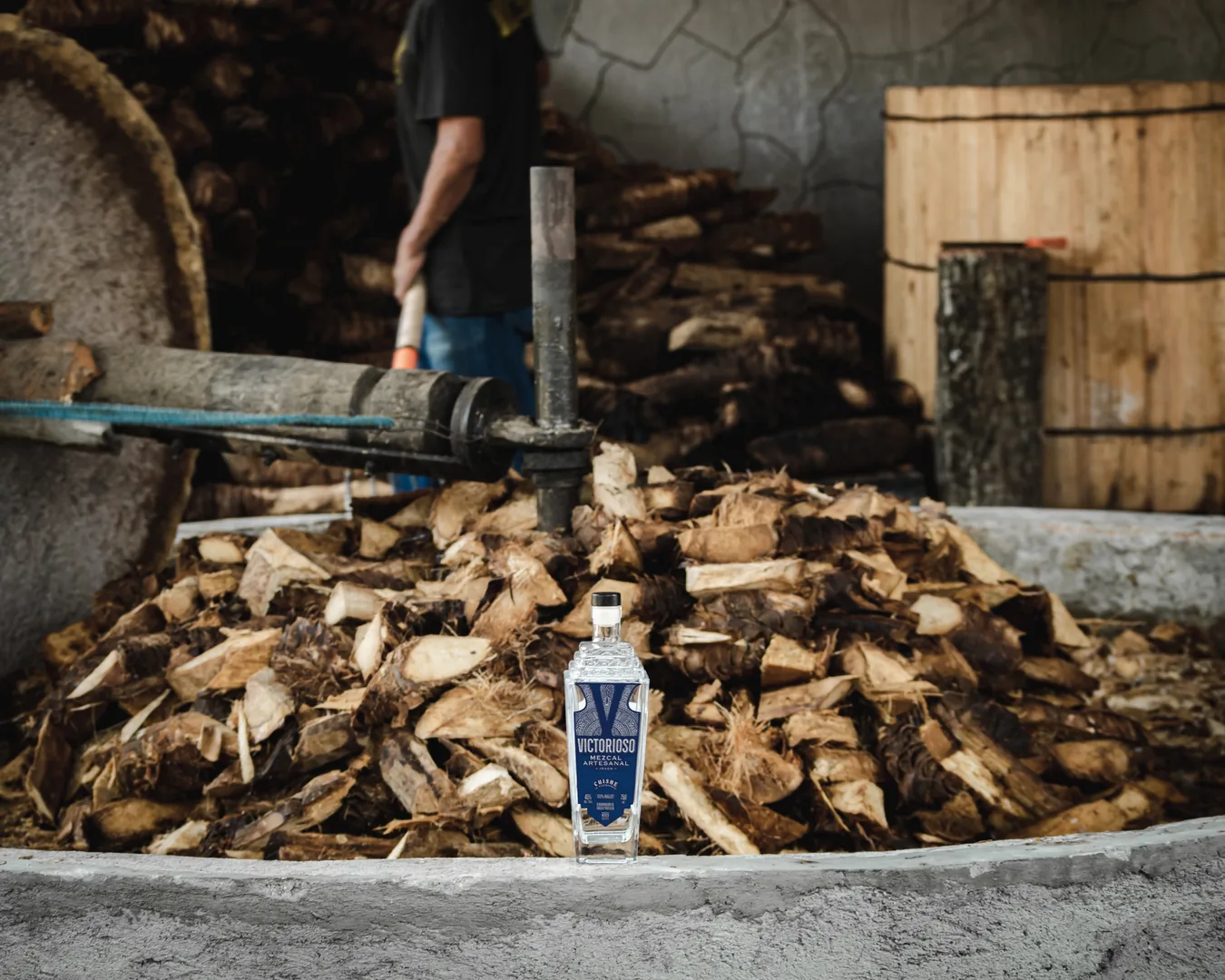
The Spirit
This is not production. It is preservation — of a people, a craft, a way of reading the world through smoke and stone and time. In every glass of Victorioso, the past and the present share the same breath.
The Continuity
Eugenio Sernas
Today, Eugenio Sernas — grandson of the man who planted the first agave in 1927, son of the man who risked his life to protect the craft — steps into the same smoke, the same stone, the same silence. He did not inherit a recipe. He inherited a responsibility. The palenque still burns. The tahona still turns. The story is not over.
Santiago Matatlán, Oaxaca · Since 1927
Every Bottle
Tells This Story
This craft cannot be scaled, rushed, or industrialised. What you hold in your glass is the result of a tradition older than any living master — and younger than your next breath.