
Our Story
Three Generations of
Passion & Resilience
The Sernas family's three-generation fight to preserve the soul of mezcal.
The story of Victorioso Mezcal is deeply rooted in the legacy of the Sernas family — a lineage of mezcaleros who have fought to preserve the purity of mezcal for over three generations.
Their journey is one of passion, resilience, and unwavering dedication to authentic mezcal-making, a craft passed down from father to son in the heart of Santiago Matatlán, Oaxaca.
A Legacy Born in the Agave Fields
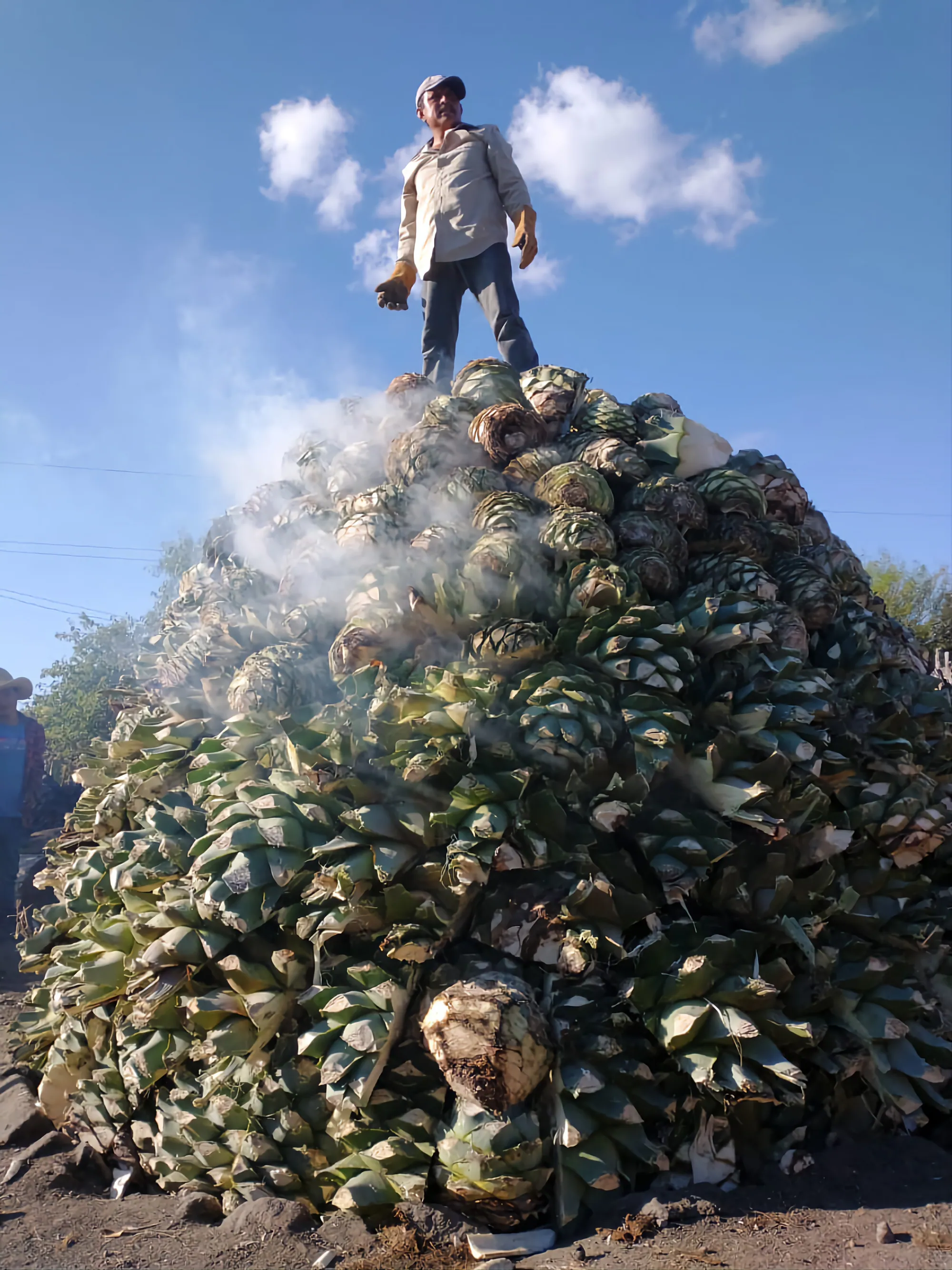
The Sernas family's mezcal journey began in 1927, when Eugenio Sernas Sr. planted his first agave fields, laying the foundation for what would become one of Oaxaca's most respected mezcal-producing families.
By 1955, he had established one of the first five registered palenques in Oaxaca, helping shape the artisanal mezcal industry as it exists today.
The Fight to Preserve True Mezcal
As mezcal gained recognition beyond Oaxaca, industrial producers sought to exploit the craft — using sugars, artificial flavorings, and shortcuts to speed up production. These methods threatened to erase centuries of tradition, turning a sacred spirit into a mass-market commodity.
One man refused to stand by and watch mezcal lose its soul.
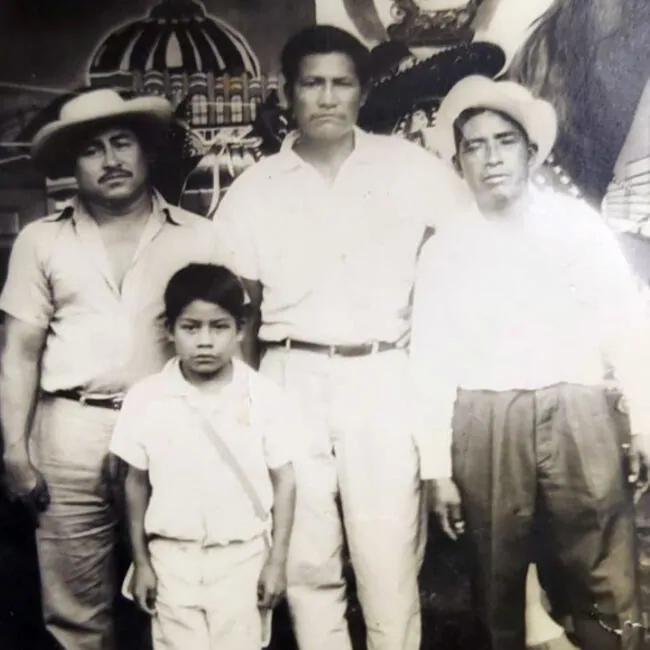
and respect for mezcal production.
Juan Sernas: A Legend in the Making
As mezcal grew in popularity, the 1970s brought a wave of industrialization that threatened everything the Sernas family stood for. Juan Sernas became a legend — not just for making mezcal, but for protecting it.
He instigated and financed riots to form a union dedicated to preserving mezcal's purity, leading a battle that lasted several years. His defiance of corruption made him a target of powerful interests, resulting in three assassination attempts by the police. Despite the threats, he stood firm, fighting for the future of true mezcal.
The Historic 1972 Mezcalero Strike
In 1972, Juan Sernas' efforts culminated in a historic mezcalero strike, now documented at the Museum of Mezcal. Together with fellow producers — including Don Bernardino Jiménez and Prisciliano Mateo — he organized a two-month-long protest in Santiago Matatlán, blocking distribution to intermediaries and adulterators.
Their goal was clear: to prevent the industrialization and adulteration of mezcal by producers who added sugars, artificial accelerators, and cane alcohol to increase profits.
Their movement drew in mezcaleros from San Dionisio Ocotepec, San Juan del Río, San Luis del Río, San Baltasar Guelavila, San Baltasar Chichicapam, El Camarón, and Totolapan. This unified resistance paved the way for better oversight and regulation, ultimately influencing the establishment of Mexico's official mezcal standards (NOM) in 1994.
Documented in the Santiago Matatlán Museum
Juan Sernas' role is not oral tradition alone — it is part of the official record. Inside the Mercado de Santiago Matatlán community museum, a permanent exhibit titled Comercialización documents the rise of the regional mezcal trade, and the Problemática de la Adulteración placard names the mezcaleros who organized the resistance.
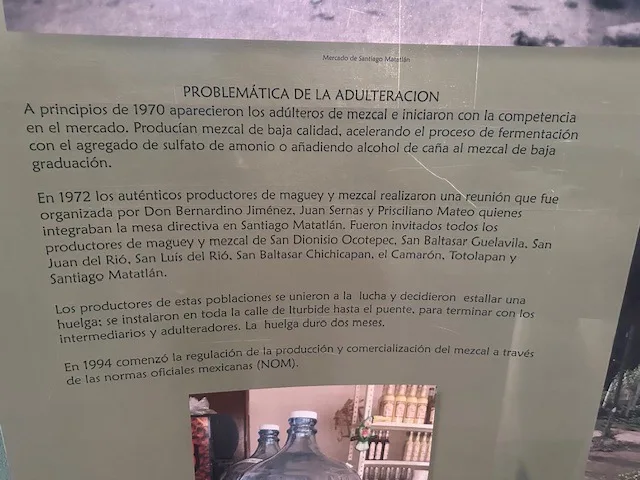
"En 1972 los auténticos productores de maguey y mezcal realizaron una reunión que fue organizada por Don Bernardino Jiménez, Juan Sernas y Pricsiliano Mateo, quienes integraban la mesa directiva en Santiago Matatlán."
Translation: "In 1972 the authentic producers of maguey and mezcal held a meeting organized by Don Bernardino Jiménez, Juan Sernas, and Pricsiliano Mateo, who made up the governing committee in Santiago Matatlán."
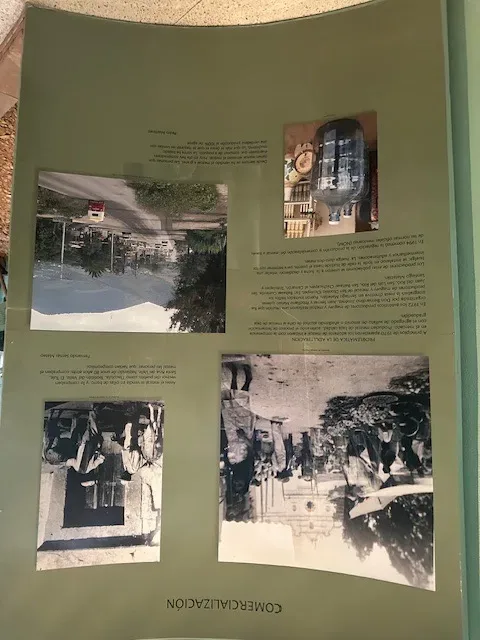
That a public museum — curated by the community itself — singles out Juan Sernas by name is the highest form of local recognition Santiago Matatlán can give. It is the village's own historians attesting that the Sernas lineage did not merely participate in the defense of mezcal — they helped lead it.
"What we are protecting is not a business. It is the knowledge our grandparents left us, and the right of our grandchildren to inherit it."
— Juan Sernas
The Third Generation
Eugenio Sernas: The Story Continues
Today, Eugenio Sernas carries the flame lit by his grandfather in 1927 — not as a curator of the past, but as its living extension.
Raised in the smoke of the palenque, Eugenio learned the craft the way it has always been learned in Santiago Matatlán: not from textbooks, but from proximity. From watching his father work the pit before dawn. From the feel of roasted agave fiber between his hands. From the way the maestro pauses — silent, certain — before deciding the distillation is ready.
Where Eugenio Sr. built the palenque, and Juan defended it, Eugenio is taking the family's mezcal to the world — without surrendering what makes it worth taking there. Every method that existed in 1927 still exists in the palenque today: volcanic stone roasting pits, open-air clay fermentation, copper alembic double distillation, tahona-ground agave. Nothing has been modernised for the sake of scale.
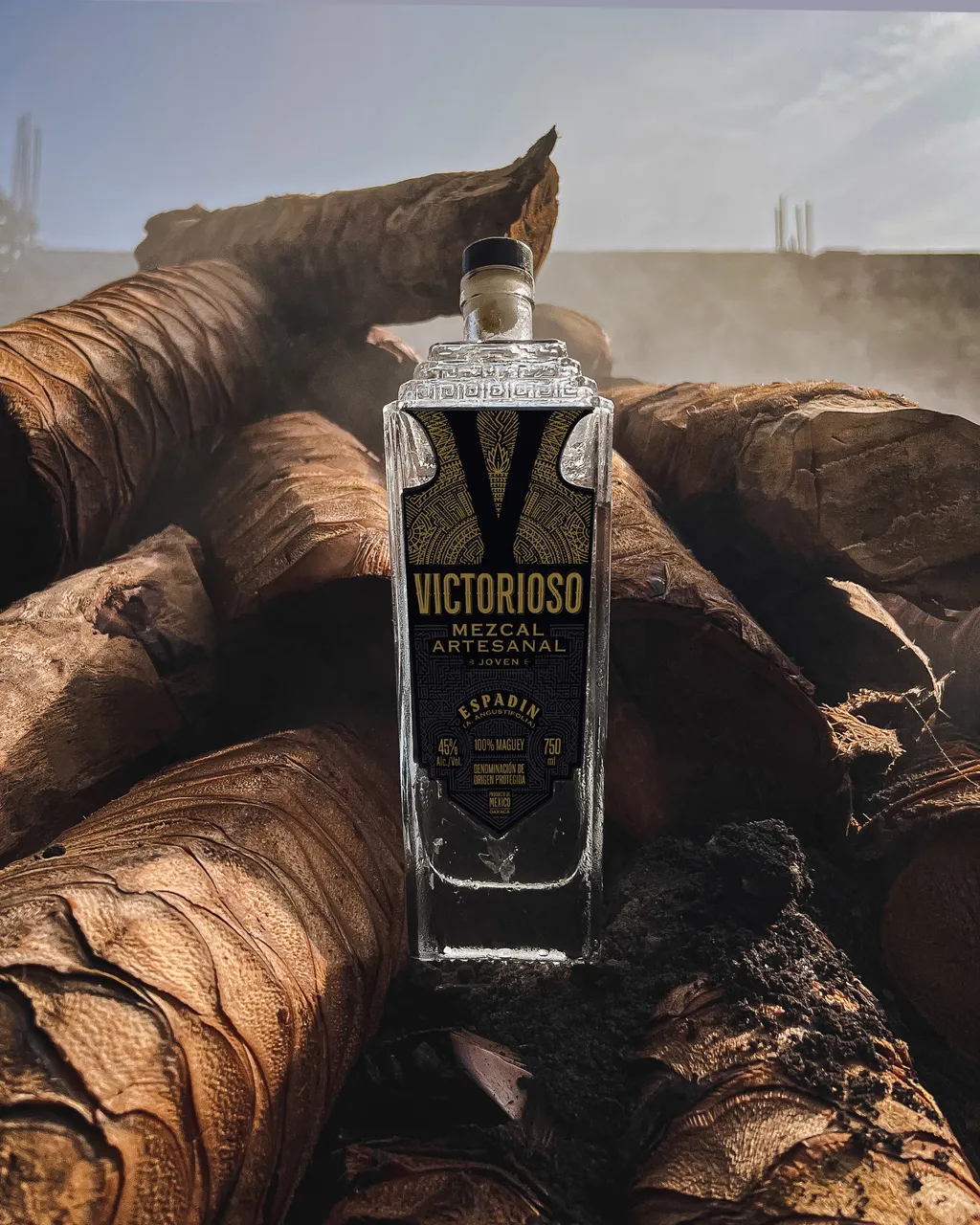
Santiago Matatlán · The smoke still rises
"My grandfather planted the agave. My father protected the spirit. My job is to make sure the world knows why it matters."
— Eugenio Sernas, Maestro Mezcalero
Under Eugenio's stewardship, Victorioso Mezcal has earned recognition far beyond Oaxaca — winning international awards, reaching global markets, and building a community of people who understand the difference between mezcal made by a family and mezcal made by a factory.
The story that began in the agave fields of 1927 is still being written. And the smoke from the roasting pit rises every morning, just as it always has.
Three generations. One palenque. An unbroken line from the volcanic soil of Oaxaca to every glass of Victorioso poured anywhere in the world.
Santiago Matatlán, Oaxaca · Est. 1927