
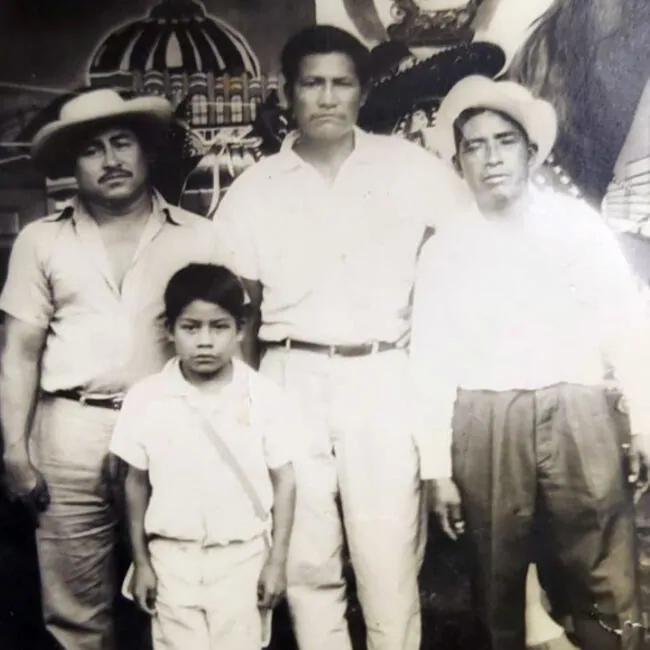
Each sip of Victorioso Mezcal is a portal to a bygone era — a liquid odyssey that transcends the boundaries of time.
Welcome to the enchanting world of Victorioso Mezcal, where each sip is a portal to a bygone era, a liquid odyssey that transcends the boundaries of time. In the heart of Mexico, amidst the whispering fields of agave, a story unfolds — a story as spirited and profound as Victorioso Mezcal itself.
In the Beginnings: An Elixir of the Ancients
Our tale begins in the mystical landscapes of ancient Mexico, where the agave plant reigned supreme, revered as a celestial gift. The indigenous peoples, custodians of this sacred land, discovered the magic hidden within the agave. They crafted a beverage not merely for consumption but for communion with the divine — a sacred elixir that played a pivotal role in their rituals and daily life.
The Aztec goddess Mayahuel, depicted with 400 breasts nursing 400 rabbits, was the divine embodiment of the agave plant. Her mythology reflects the ancient understanding of agave as a source of infinite nourishment — physical, spiritual, and communal. Mezcal, in this framework, was not merely fermented and distilled plant juice. It was the goddess herself, transformed and offered as gift.
Echoes of the Pre-Columbian Epoch
As we delve deeper into the annals of history, we find the agave at the center of pre-Columbian civilizations. The Aztecs and the Zapotecs, among others, held the agave in high esteem, weaving its essence into their cultural fabric. From religious ceremonies to medicinal practices, the agave was a cornerstone of daily life, a plant around which communities organized their existence.
Fermented agave sap — pulque — was consumed in ceremonial contexts and offered to elders and priests. Its mildly intoxicating properties were understood as sacred, allowing human consciousness to approach the divine realm. When Spanish colonizers arrived in the 16th century and introduced distillation technology, this already-sacred beverage was transformed into something with far greater potency and complexity.
The Colonial Crucible
The Spanish colonial period was a crucible for mezcal — a time of suppression and survival. Colonial authorities periodically banned mezcal production, concerned about its role in indigenous ritual and its economic competition with imported Spanish spirits. Traditional producers found ways to continue despite prohibition, preserving their knowledge underground, passing it through family lines.
This survival under pressure forged something essential in the character of mezcal culture: a fierce commitment to tradition as resistance, and a deep understanding that the knowledge embedded in traditional production methods was irreplaceable once lost.
Into the Modern World
Today, mezcal stands at a remarkable moment in its centuries-long journey. International recognition, led in part by brands like Victorioso, has created unprecedented demand for authentic, traditionally produced mezcal. This creates both opportunity and risk — the opportunity to sustain traditional producer families economically, and the risk of the same commercial pressures that threatened mezcal in 1972 returning in new forms.
At Victorioso, we navigate this moment with the same guiding principle that has defined the Sernas family's production across three generations: authenticity first, always. Each bottle we produce is a sip through centuries — a connection to Mayahuel's sacrifice, to the 1972 mezcaleros who refused to compromise, and to the generations yet to come who will inherit this extraordinary craft.
More from the Journal
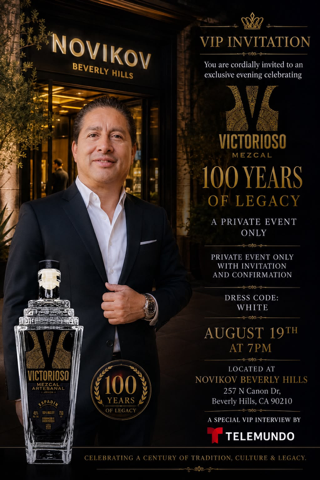
100 Years of Sernas Family Mezcal Tradition at Novikov
On August 19, Victorioso Mezcal gathers at Novikov Beverly Hills to celebrate 100 years of the Sernas family’s mezcal tradition.
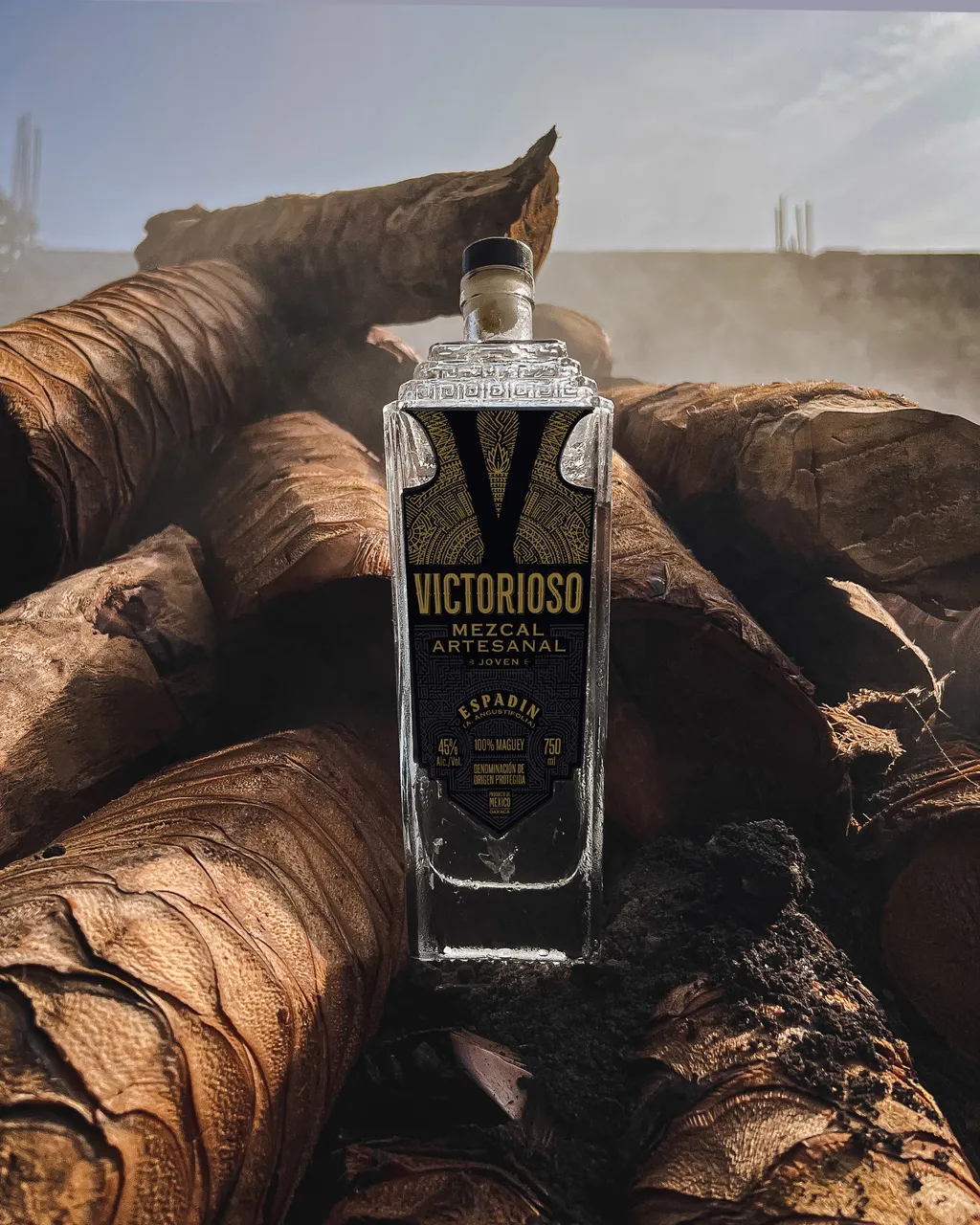
An Evening at Novikov — When Beverly Hills Discovered Mezcal
On a warm June night in Beverly Hills, Victorioso Mezcal took over one of LA's most celebrated restaurants. Here is what happened when artisanal Oaxacan craft met the most demanding room in California.