
Oaxaca: A Mosaic of Civilizations, Culture, and Mezcal
By Victorioso Mezcal
Oaxaca stands as a testament to the enduring legacy of ancient civilizations and the birthplace of the storied spirit mezcal.
Oaxaca, a region deeply etched into Mexico's historical canvas, stands as a testament to the enduring legacy of its ancient civilizations and the birthplace of the storied spirit, mezcal.
Ancient Civilizations and Their Lasting Impact
Oaxaca's history is inseparable from the ancient civilizations that flourished in its valleys. The Zapotecs, who established Monte Albán around 500 BCE, created one of Mesoamerica's earliest and most influential cities. This UNESCO World Heritage Site, with its grand temples and intricate carvings, offers a glimpse into a sophisticated society that had its own writing system and astronomical observatory.
Similarly, the Mixtecs, known for their exquisite goldsmithing and intricate codices, contributed significantly to the cultural landscape of Oaxaca. Their legacy, particularly in areas like Mitla, is evident in the intricate stone mosaics and stunning geometric designs that adorn ancient ruins.
European Encounter and Cultural Fusion
The Spanish conquest in the 16th century introduced a pivotal change in Oaxaca's trajectory. This era saw the fusion of indigenous traditions with Spanish colonial practices. The Spaniards introduced distillation techniques from the Old World, transforming the fermented agave pulque that indigenous peoples had consumed for centuries into a distilled spirit — what we now call mezcal.
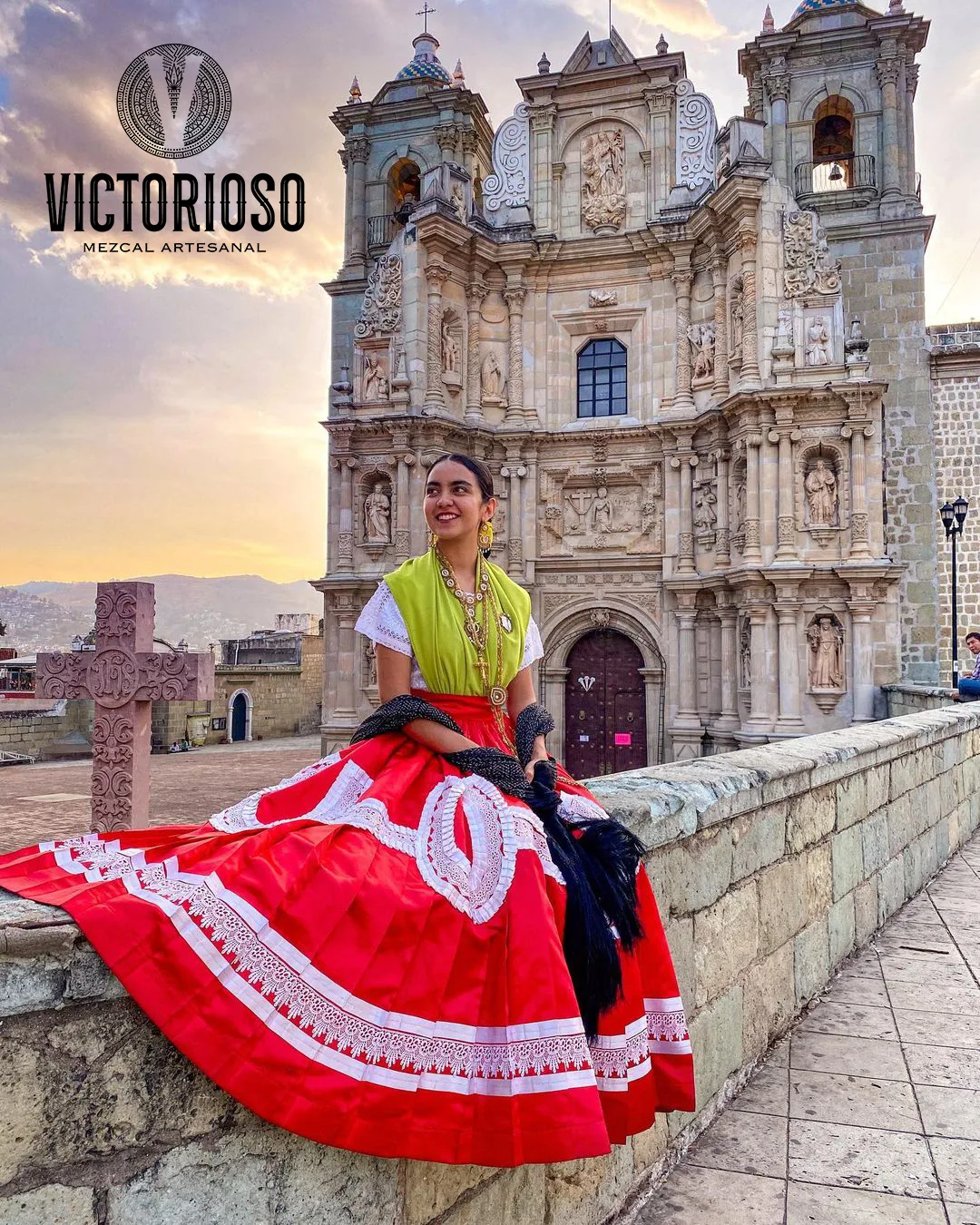
This fusion created a unique syncretic culture still evident in Oaxaca's festivals, art, architecture, and cuisine. The Baroque cathedral of Santo Domingo in Oaxaca City stands as a physical monument to this cultural blending — its ornate Spanish facade rising above streets where Zapotec language is still spoken and traditional clothing is still worn.
Mezcal: A Spirit Forged in History
The history of mezcal in Oaxaca is as old as the civilizations that first cultivated agave. Mezcal became a symbol of local identity and resistance — produced by indigenous families using methods that preserved their cultural knowledge even under colonial pressure.
Today, Santiago Matatlán — the "Mezcal Capital of the World" — produces more mezcal than any other municipality in Mexico. Families like the Sernas have carried their production traditions unbroken through generations, maintaining methods that would be recognizable to their ancestors while sharing the result with the world.
To drink Victorioso Mezcal is to participate in this living history — to receive the gift of a culture that survived conquest, preserved its knowledge, and distilled it into something extraordinary.
More from the Journal
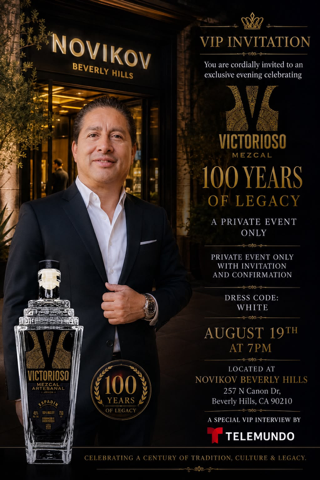
100 Years of Sernas Family Mezcal Tradition at Novikov
On August 19, Victorioso Mezcal gathers at Novikov Beverly Hills to celebrate 100 years of the Sernas family’s mezcal tradition.
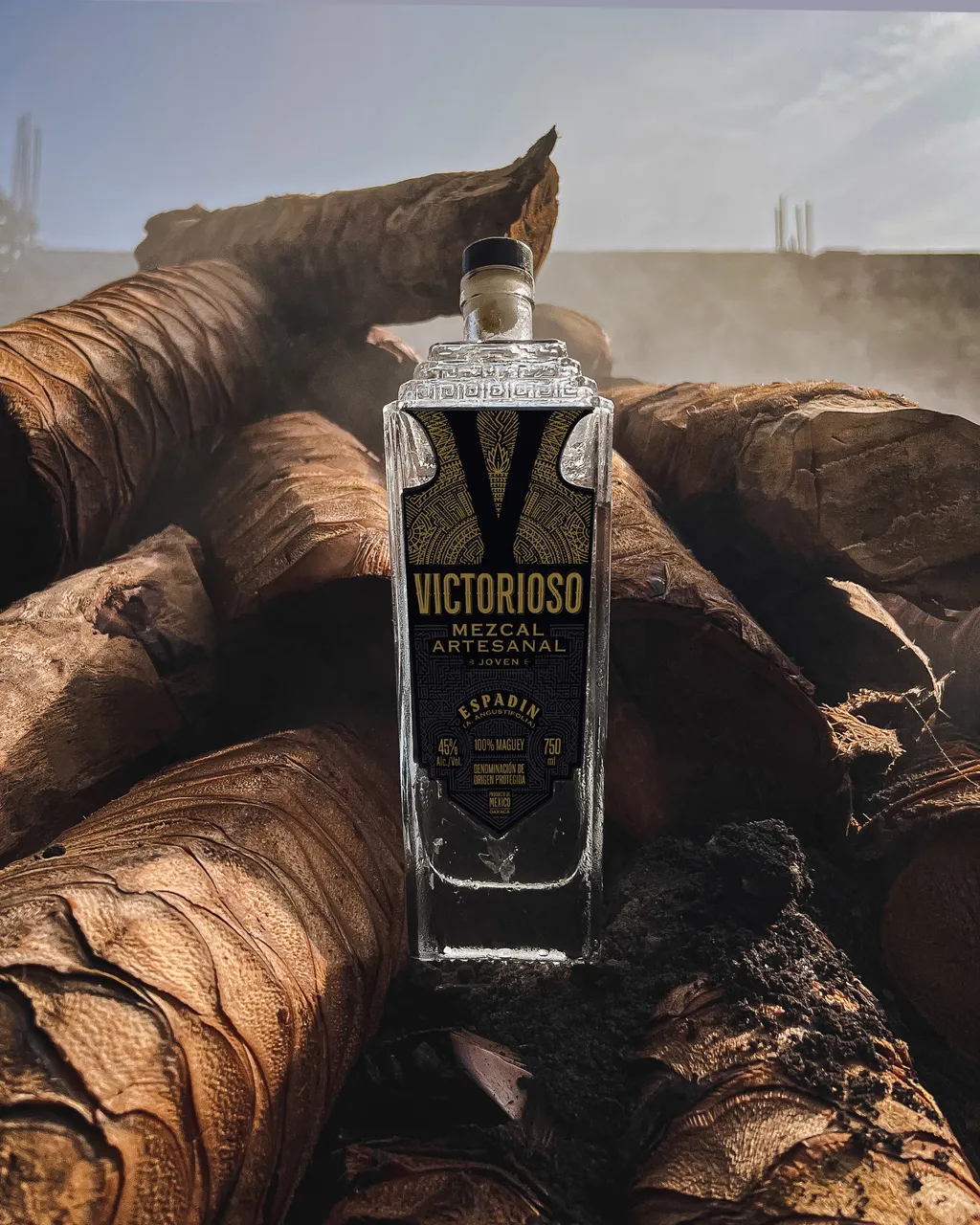
An Evening at Novikov — When Beverly Hills Discovered Mezcal
On a warm June night in Beverly Hills, Victorioso Mezcal took over one of LA's most celebrated restaurants. Here is what happened when artisanal Oaxacan craft met the most demanding room in California.