
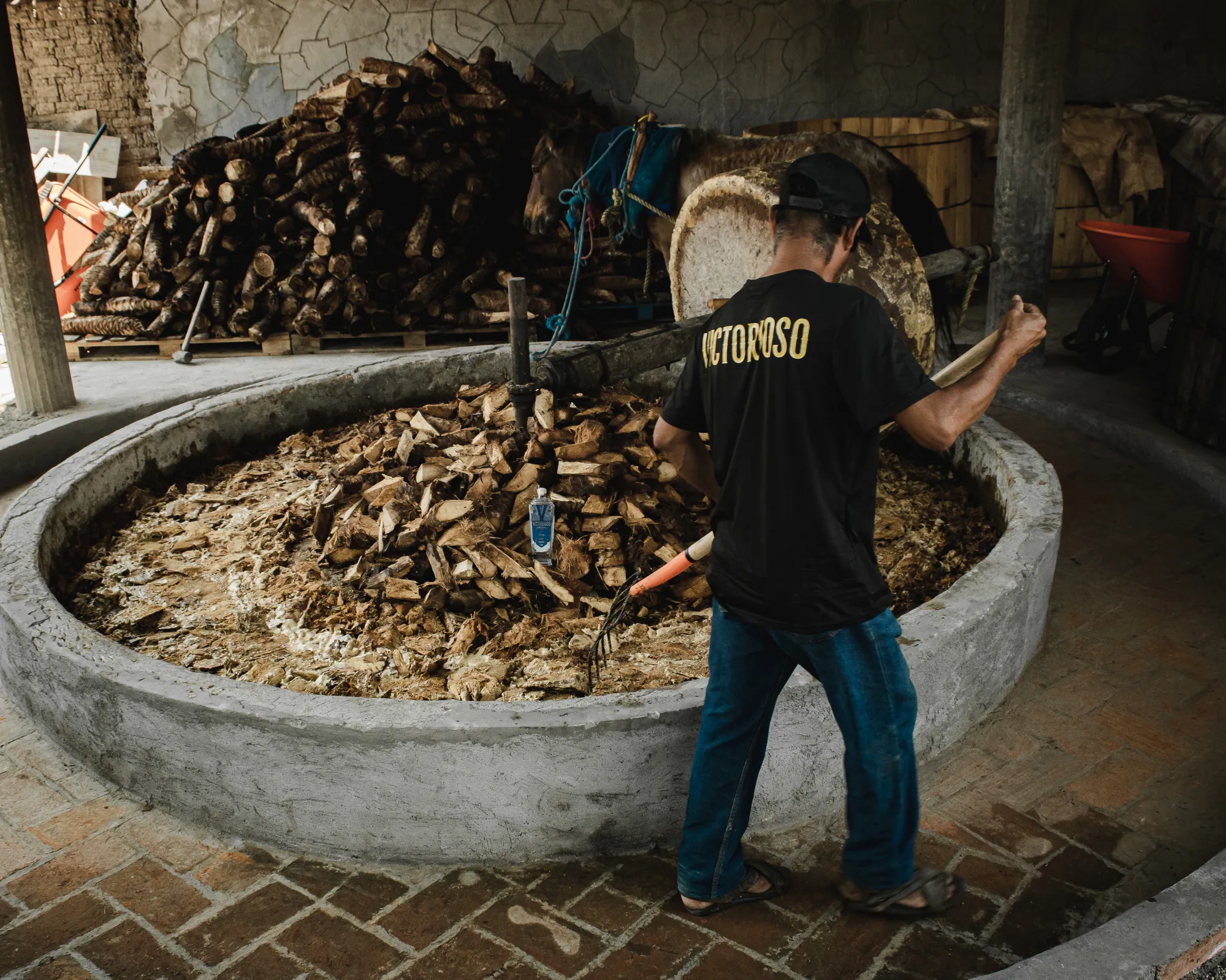
How to Taste Mezcal Like a Maestro — A Five-Sense Guide
By Victorioso Mezcal
Tasting mezcal is not about identifying flavor notes from a list. It is about learning to listen to a glass. Here's how the Sernas family approaches it.
At the Victorioso palenque, tasting is not a formal ceremony. It happens at the end of a distillation run, when the maestro pours a small amount into a venencia — a hollow gourd — lifts it to shoulder height, and lets it fall into a jícara (clay cup) below. The bubbles that form and hold tell him the proof. The aroma that rises tells him the rest.
This is mezcal tasting at its most essential: direct, intuitive, and built on years of accumulated attention. You do not need that many years to begin developing the same quality of attention. You need only a glass, some patience, and the right approach.
The Glass Matters
Before you pour, choose correctly. A narrow-mouthed glass — a Glencairn, a small wine glass, or the traditional clay copita — concentrates aromatic compounds at the surface so they meet your nose before your tongue. A wide rocks glass will give you alcohol first. Start with the right vessel and half the work is done.
Pour no more than an ounce and a half for tasting. The goal is not consumption — it is observation.
Step One: Look
Hold the glass to the light. Mezcal should be clear, with no haze (unless it is a pechuga or naturally cloudy expression, in which case the haze is part of the character). Tilt the glass and watch how the liquid moves. Slower, thicker legs suggest higher residual glycerin — a sign of careful fermentation and distillation. Do not read too much into this, but do look.
Step Two: Nose (Without Swirling)
Bring the glass slowly to your face. Before it reaches your nose, you will begin to detect alcohol. Let it dissipate — tilt the glass slightly, fan the opening gently. Then bring the rim to just below your nose and breathe slowly.
Do not try to identify specific notes immediately. Let the aroma arrive. What is the broadest impression? Smoke? Earth? Fruit? Flowers? Green herbs? That first impression is the most honest — before your analytical mind begins labeling.
After a moment, swirl gently and nose again. What has changed? New compounds will emerge as oxygen wakes the spirit.
Step Three: The First Sip
Let a small amount rest on your tongue for three to five seconds before chewing it slightly — yes, chewing — and then swallowing slowly. The sequential activation of your palate's taste zones will reveal the spirit in waves: the entry (what arrives first at the front of your tongue), the mid-palate development, and the finish (what lingers).
Note the finish length. Great mezcals finish long — their aromatics continue evolving for thirty seconds, a minute, sometimes longer after the glass is empty.
Step Four: Add Water
A few drops of still water — not sparkling — can open a mezcal dramatically, reducing alcohol's dominance and revealing subtler compounds that the proof was suppressing. Try this especially with the Victorioso Ensamble, which rewards the extra patience.
Step Five: Return
Return to the glass five minutes later. Oxidation changes mezcal. What was closed can open; what was overwhelming can soften. The best mezcals are worth revisiting. The Sernas family says: the first pour introduces the mezcal. The second pour is when it introduces itself.
More from the Journal

100 Years of Sernas Family Mezcal Tradition at Novikov
On August 19, Victorioso Mezcal gathers at Novikov Beverly Hills to celebrate 100 years of the Sernas family’s mezcal tradition.
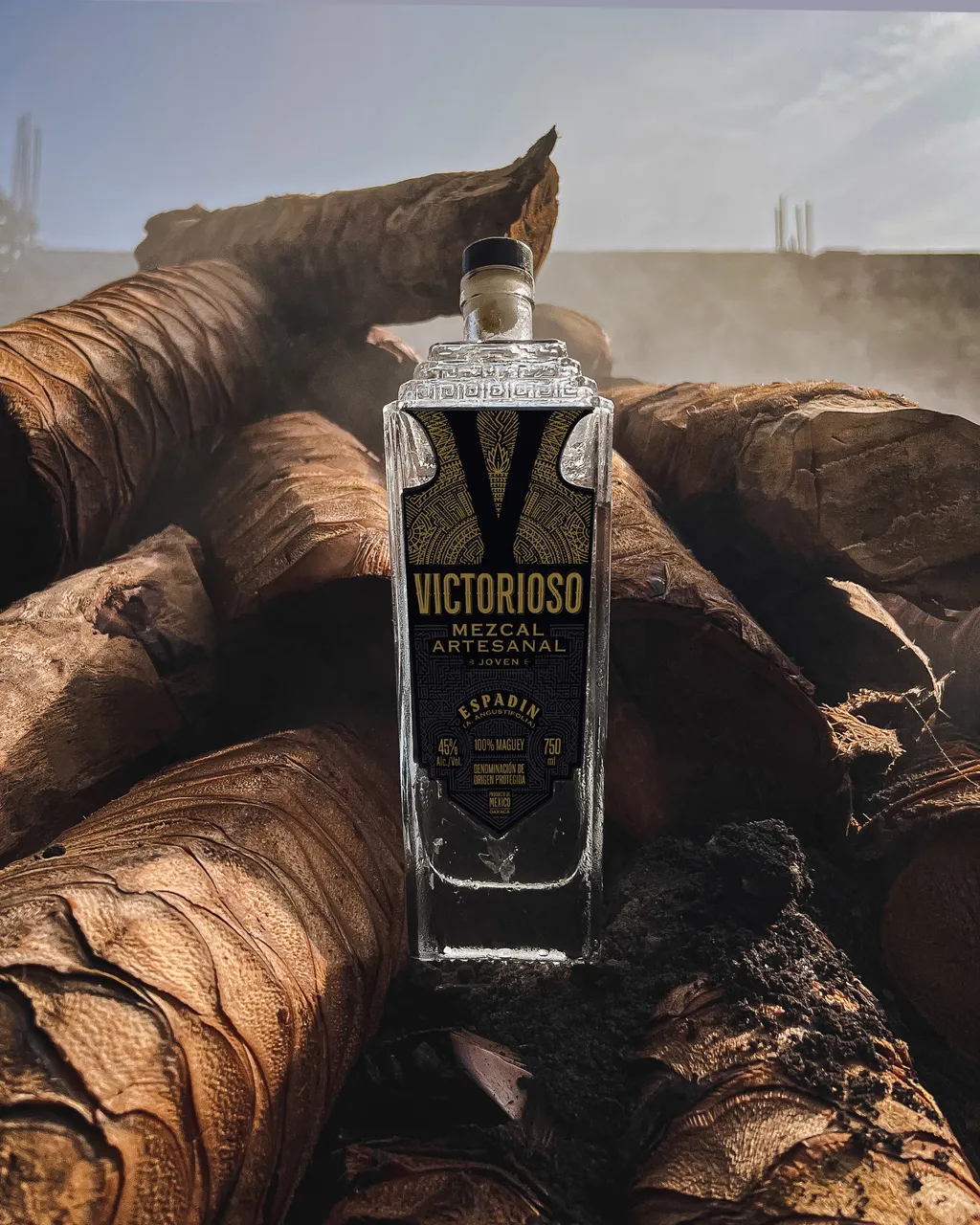
An Evening at Novikov — When Beverly Hills Discovered Mezcal
On a warm June night in Beverly Hills, Victorioso Mezcal took over one of LA's most celebrated restaurants. Here is what happened when artisanal Oaxacan craft met the most demanding room in California.