
Exploring Agave Flavors: A Journey Through Victorioso Mezcal's Unique Profiles
By Victorioso Mezcal
Each agave variety in the Victorioso lineup carries its own irreproducible character — a liquid fingerprint shaped by decades of growth in Oaxacan soil.
Every bottle of Victorioso Mezcal is a conversation with a specific agave, a specific place, and a specific moment in time. The flavor profiles that emerge from the Sernas family's palenque are not engineered — they are discovered. The maestro's role is not to impose a flavor but to reveal the flavor that was always latent in the plant.
Reading an Agave's Flavor Story
The flavor of a mezcal is determined by factors that begin long before the first fire is lit. Soil composition — whether volcanic, clay, or limestone — shapes the mineral character of the agave's sugars. Altitude determines temperature fluctuations that concentrate or dilute aromatic compounds. Rainfall patterns influence the rate of sugar accumulation. Even the direction a plant faces affects its flavor: agaves on south-facing slopes receive more sun and tend toward richer, sweeter profiles.
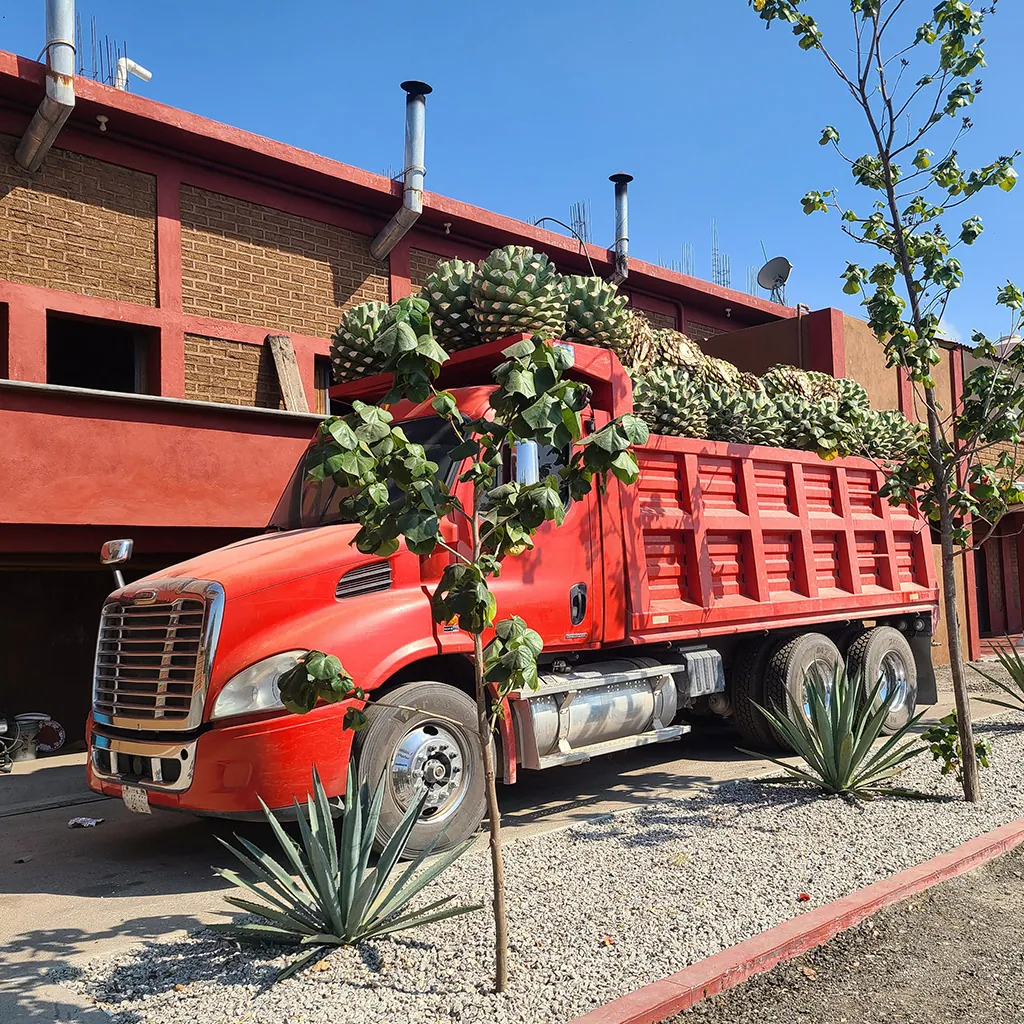
By the time a wild agave is harvested after 15 or 30 years, it has absorbed and transformed the totality of its environment into its piña — a dense heart that is nothing less than a living record of the landscape.
Espadín: Roasted Stone Fruit and Gentle Smoke
Our Espadín expresses the foundational character of Santiago Matatlán's volcanic valley soil. Pit-roasted over mesquite for three days, it reveals aromas of orange peel, chamomile, and pine resin on the nose. The palate is warm and welcoming — dulce de leche, lemon peel, and a subtle nutmeg spice. The smoke is present throughout but never dominant, serving as a backdrop rather than a feature.
This is mezcal as gateway: complex enough to reward attention, approachable enough to welcome newcomers.
Tobalá: High Altitude, High Complexity
The Tobalá piñas we harvest come from plants growing above 1,500 meters in the Sierra Juárez mountains. The thinner air and cooler temperatures produce an agave with slower sugar accumulation and more concentrated aromatic compounds. The result is our most delicate and complex expression: papaya, ripe pineapple, cempasúchitl flower, and rosemary on the nose; banana, coconut, and cajeta on a silky, long-finishing palate.
Tobalá requires years to find. Each plant is scouted, monitored, and ultimately harvested by hand on terrain too steep for any vehicle. When you open a bottle of Victorioso Tobalá, you are holding the distilled result of that extraordinary effort.
Cuishe: Herbaceous Architecture
Cuishe's tall, columnar form stores its sugars differently from Espadín and Tobalá, producing a piña with higher fiber content and a distinctive mineral-vegetal character that persists through roasting, fermentation, and distillation. Our Cuishe opens with jasmine, green prickly pear, and peppermint — an unmistakably herbal entry that gives way to green grapes, rosemary, and a long, savory mineral finish.
The 2022 L.A. Spirits Awards Silver Medal for our Cuishe recognized what aficionados already know: this is a mezcal for those who have moved beyond the familiar and are ready to explore the outer reaches of agave's expressive range.
Ensamble: The Sum of Wild Parts
Our Ensamble — 25% each of Mexicano, Cuishe, Tepeztate, and Tobalá — represents the boldest statement Victorioso makes. Four agaves, each requiring 15 to 30 years to mature, each from a different elevation and microclimate, combined in a single expression of extraordinary complexity. Green mango, watermelon, tangerine, mint, thyme, pollen, honey on the nose; cajeta, mango peel, licorice on the palate. It is, in the truest sense, a spirit without equivalent.
More from the Journal
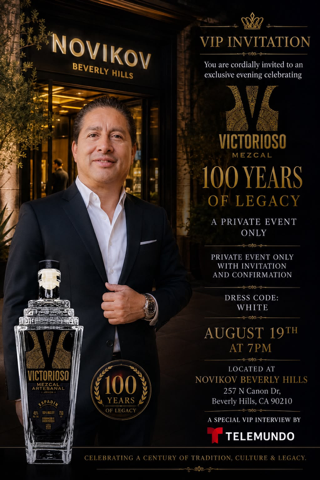
100 Years of Sernas Family Mezcal Tradition at Novikov
On August 19, Victorioso Mezcal gathers at Novikov Beverly Hills to celebrate 100 years of the Sernas family’s mezcal tradition.
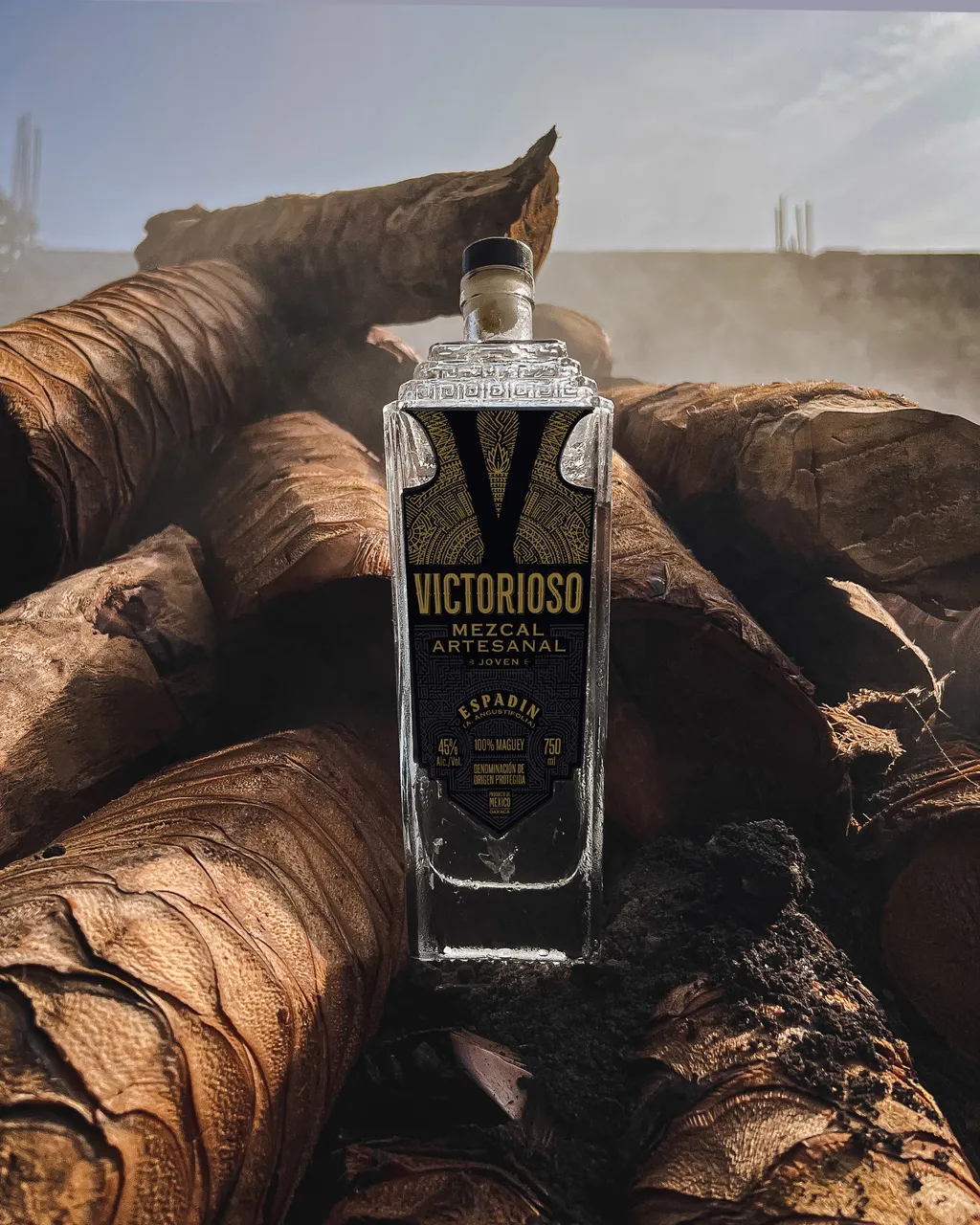
An Evening at Novikov — When Beverly Hills Discovered Mezcal
On a warm June night in Beverly Hills, Victorioso Mezcal took over one of LA's most celebrated restaurants. Here is what happened when artisanal Oaxacan craft met the most demanding room in California.