
Decoding Agave — A Master's Guide to Espadín, Tobalá, Cuishe, and Wild Varieties
By Victorioso Mezcal
In the world of mezcal, agave is not merely an ingredient — it is the soul, the voice, and the very essence of terroir captured in living form.
In the world of mezcal, agave is not merely an ingredient — it is the soul, the voice, and the very essence of terroir captured in living form. Each species tells a story written in thorns and sugar, shaped by altitude and time, and translated into liquid poetry by the hands of master mezcaleros. Understanding agave is understanding mezcal itself.
The Sacred Plant: Agave's Journey Through Time
For over 9,000 years, indigenous peoples have revered agave as a gift from the gods. The Aztecs believed agave was born from the sacrifice of the goddess Mayahuel, whose body became the first agave plant, her 400 breasts transforming into the thorny leaves that protect the plant's sweet heart.
This mythological foundation reflects a deeper truth: agave represents patience, sacrifice, and transformation. Unlike annual crops that reward farmers with yearly harvests, agave demands decades of faith. A single plant may grow for 8 to 30 years before reaching maturity, converting sunlight and sparse rainfall into concentrated sugars through a process that seems almost alchemical in its efficiency.
Espadín: The Foundation
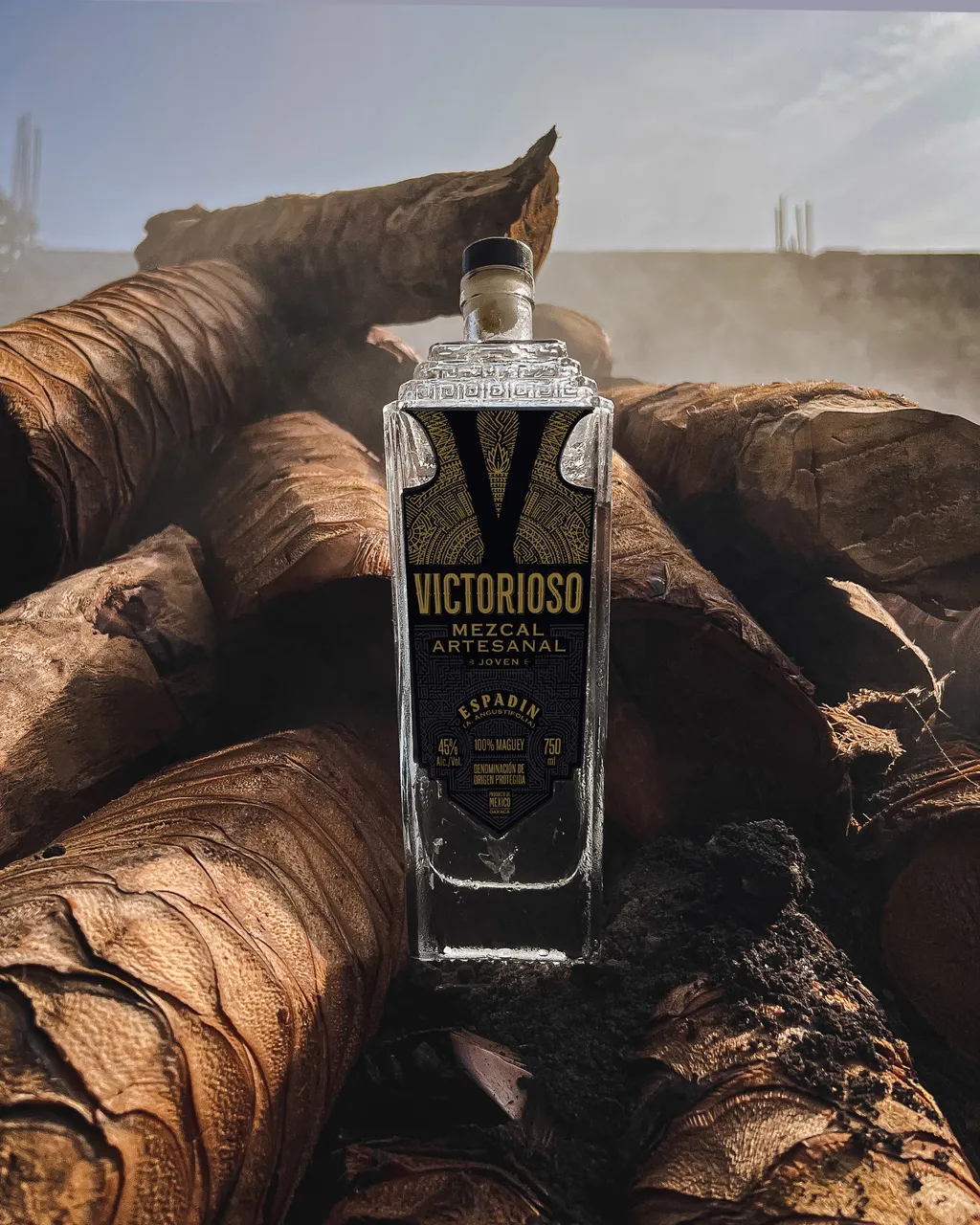
Espadín (Agave angustifolia) is the backbone of the mezcal world — accounting for roughly 90% of all mezcal production. Its name means "little sword" in Spanish, a reference to its long, narrow, blade-like leaves. Espadín matures in 8 to 12 years and can be cultivated, making it more sustainable than wild varieties.
Espadín's flavor profile is beautifully versatile: roasted agave, tropical fruit, light smoke, and sweet minerality. At Victorioso, our Espadín is the entry point to our world — approachable yet complex, familiar yet distinct. Roasted in earthen pits for three full days, it embodies the Sernas family's approach to craft.
Tobalá: The Rare Treasure
Tobalá (Agave potatorum) grows wild on steep, rocky cliffsides at elevations above 1,500 meters. It's a small, compact plant — rarely more than 60 centimeters across — that takes 15 or more years to mature. It cannot be cultivated at scale; its survival depends on specific soil conditions, elevation, and the bats and insects that pollinate its towering quiote flower.
The result is a mezcal of remarkable delicacy: floral, fruity, and silky, with notes of papaya, honey, and tropical blossoms. Our Tobalá earned a Platinum Medal at the 2022 L.A. Spirits Awards — a reflection of the extraordinary effort required to bring it to your glass.
Cuishe: The Herbaceous Giant
Cuishe (Agave karwinskii) is a tall, columnar agave that grows in the warm, semi-arid valleys of Oaxaca. Also known as Bicuixe or Madrecuixe depending on the sub-variety, it can reach two meters in height and takes 15 or more years to reach full maturity. Its dense, fibrous piñas are particularly challenging to roast and ferment, but reward the patient mezcalero with a spirit of extraordinary character.
Victorioso Cuishe offers herbal complexity rarely found in other mezcals: jasmine, green prickly pear, mint, cashew, and a savory mineral undertone that lingers long after the last sip.
Wild Agaves: The Rarest Expressions
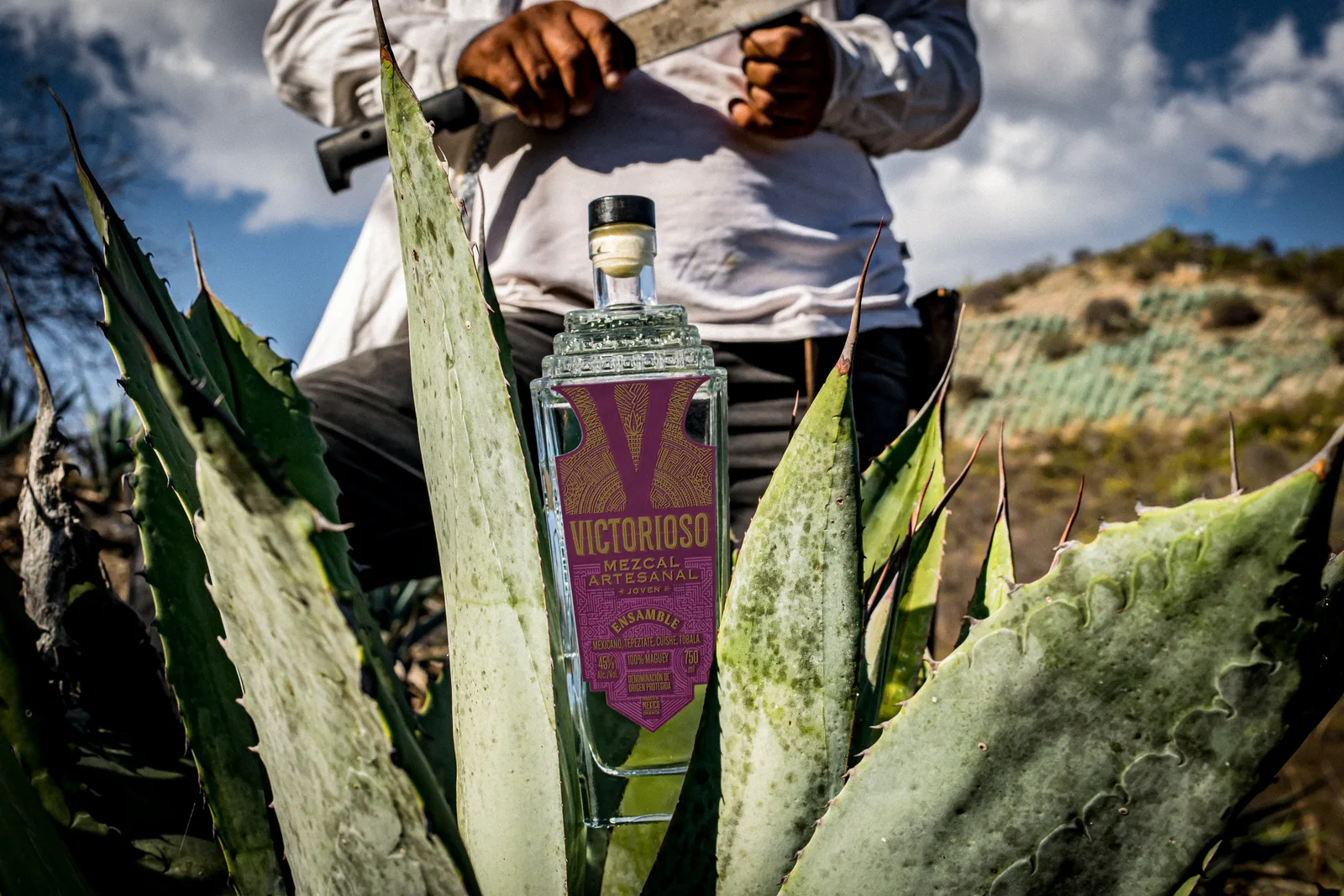
Beyond the well-known varieties lie dozens of wild agaves — Tepeztate, Mexicano, Madre Cuishe, Sierra Negra — each growing in specific microclimates and elevations, each carrying its own irreproducible character. Our Ensamble expression brings four of these wild agaves together in a single bottle: Mexicano, Cuishe, Tepeztate, and Tobalá. It is, quite simply, a once-in-a-lifetime mezcal.
More from the Journal

100 Years of Sernas Family Mezcal Tradition at Novikov
On August 19, Victorioso Mezcal gathers at Novikov Beverly Hills to celebrate 100 years of the Sernas family’s mezcal tradition.
An Evening at Novikov — When Beverly Hills Discovered Mezcal
On a warm June night in Beverly Hills, Victorioso Mezcal took over one of LA's most celebrated restaurants. Here is what happened when artisanal Oaxacan craft met the most demanding room in California.