
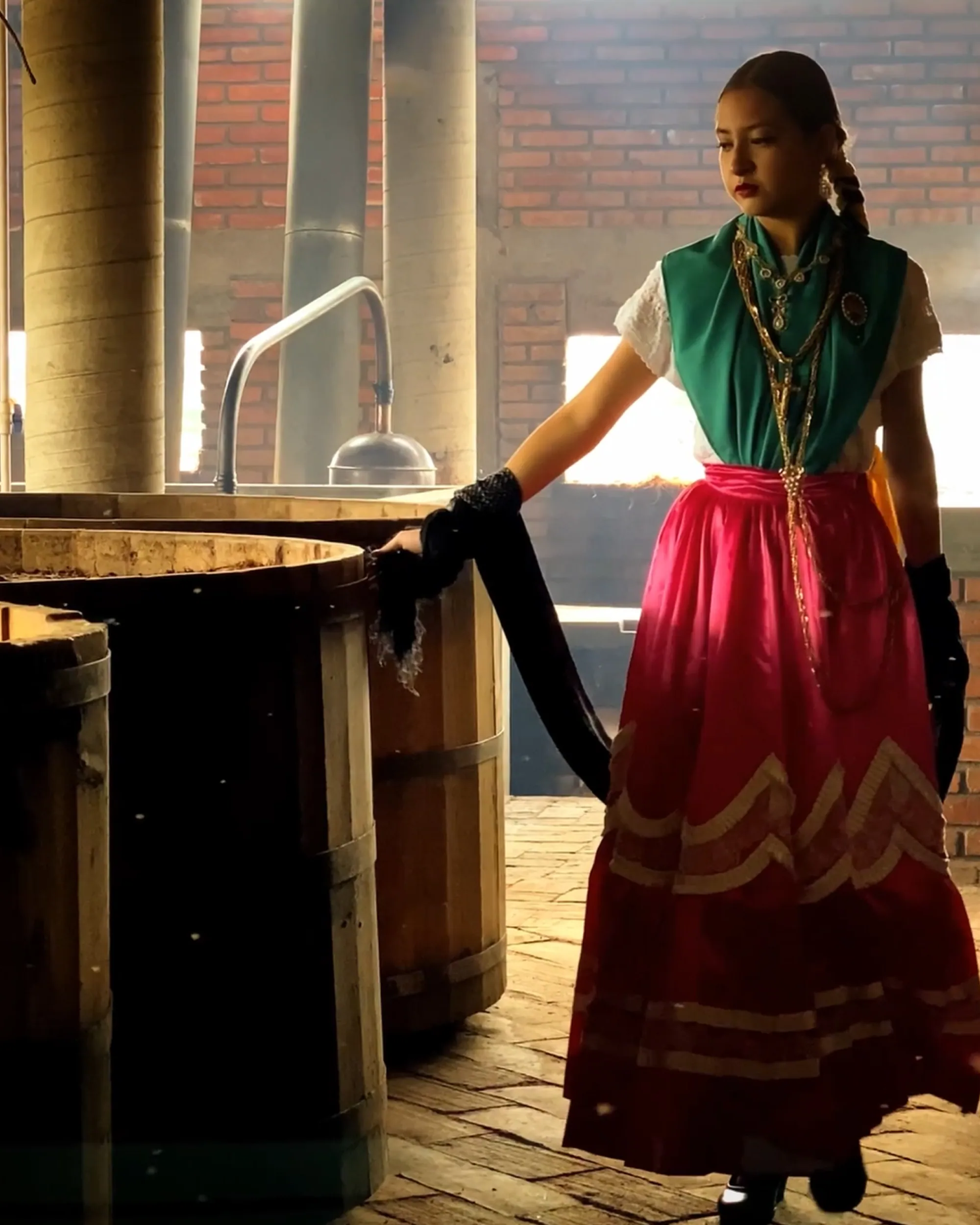
From Clay Pot to Copa — The Art of Traditional Mezcal Distillation
By Victorioso Mezcal
In Oaxaca's dawn light, master mezcaleros ignite fires that transform humble piñas into liquid history through time-honored distillation techniques.
In Oaxaca's dawn light, where mist drapes agave fields like ancestral veils, master mezcaleros ignite fires that transform humble piñas into liquid history. The choice between clay pot and copper still — between ancestral and artisanal methods — embodies philosophies of craft, tradition, and place. Distillation is alchemy: coaxing essence from earth through fire, steam, and human skill.
The Foundations of Distillation
Distillation concentrates fermented agave "wine" by heating it to vaporize alcohol and desirable flavor compounds, then cooling vapors until they re-condense. Originating in Arabic alchemy, the basic principle remains unchanged across centuries. Yet mezcal's complexity arises from traditional equipment and techniques tailored to agave's unique chemistry.
Mezcal falls into three production categories:
- Ancestral: Underground clay pot distillation, using olla de barro and bamboo or clay condensing tubes.
- Artesanal: Copper pot still distillation, maintaining traditional roasting and fermentation.
- Industrial: Column stills and modern methods prioritizing efficiency over character.
Clay Pot Distillation: The Ancestral Method
The olla de barro method is among the world's oldest distillation techniques, predating Spanish colonization by centuries. Clay pots are embedded in earthen mounds over wood fires. Fermented agave pulp fills the lower chamber; a clay dome captures rising vapors; cold water circulating in an upper clay vessel condenses vapors into spirit, which drips through bamboo or clay tubes into receiving vessels.
Clay's porosity allows micro-oxygenation throughout distillation. Minerals from the clay walls interact with the spirit, contributing earthy, mineral complexity impossible to replicate in copper. Each olla is unique — slightly different clay compositions, shapes, and thermal properties create subtle variations from batch to batch.
Copper Still Distillation: The Artesanal Standard
Copper alembics, introduced by Spanish colonizers in the 16th century, became the standard for artisanal mezcal production. Copper acts as a catalyst, binding sulfur compounds that would otherwise create harsh flavors. The result is a cleaner, more refined spirit that still carries tremendous complexity.
At Victorioso, our copper stills are handmade by local tinkers in Santiago Matatlán. Each still is sized to match the volume of a single fermentation batch, ensuring that every distillation run is a direct expression of that batch's unique character — not blended or averaged across multiple fermentations.
Why Distillation Method Matters
The vessel shapes the spirit in profound ways. Clay pot mezcals tend toward earthier, more mineral-forward profiles with a broader, rounder mouthfeel. Copper still mezcals often show greater aromatic clarity and fruit-forward brightness. Neither is superior — they are simply different conversations with the same agave.
Understanding these distinctions is understanding mezcal itself: a spirit where every decision, from harvest to bottling, leaves its fingerprint on the final glass.
More from the Journal

100 Years of Sernas Family Mezcal Tradition at Novikov
On August 19, Victorioso Mezcal gathers at Novikov Beverly Hills to celebrate 100 years of the Sernas family’s mezcal tradition.
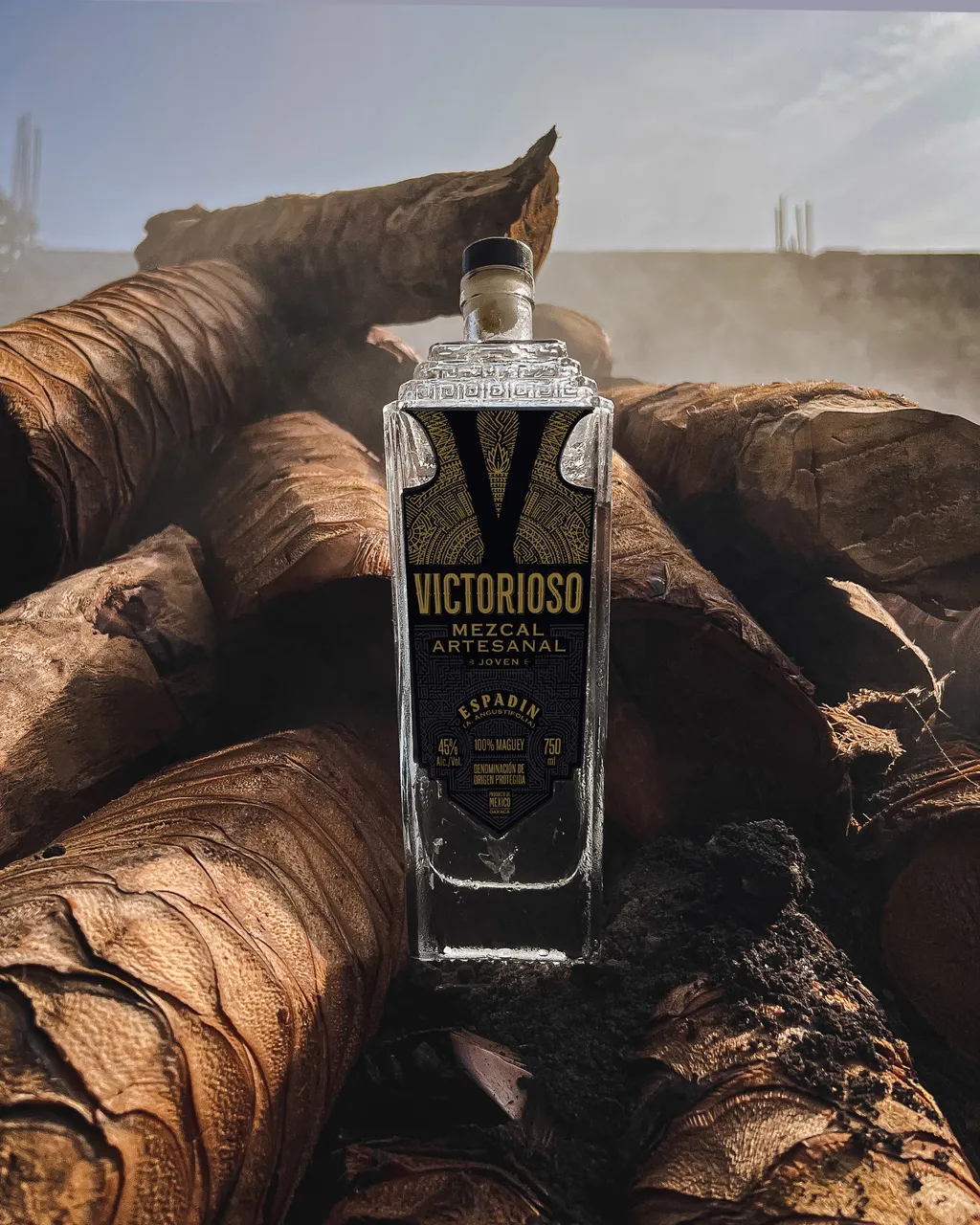
An Evening at Novikov — When Beverly Hills Discovered Mezcal
On a warm June night in Beverly Hills, Victorioso Mezcal took over one of LA's most celebrated restaurants. Here is what happened when artisanal Oaxacan craft met the most demanding room in California.