
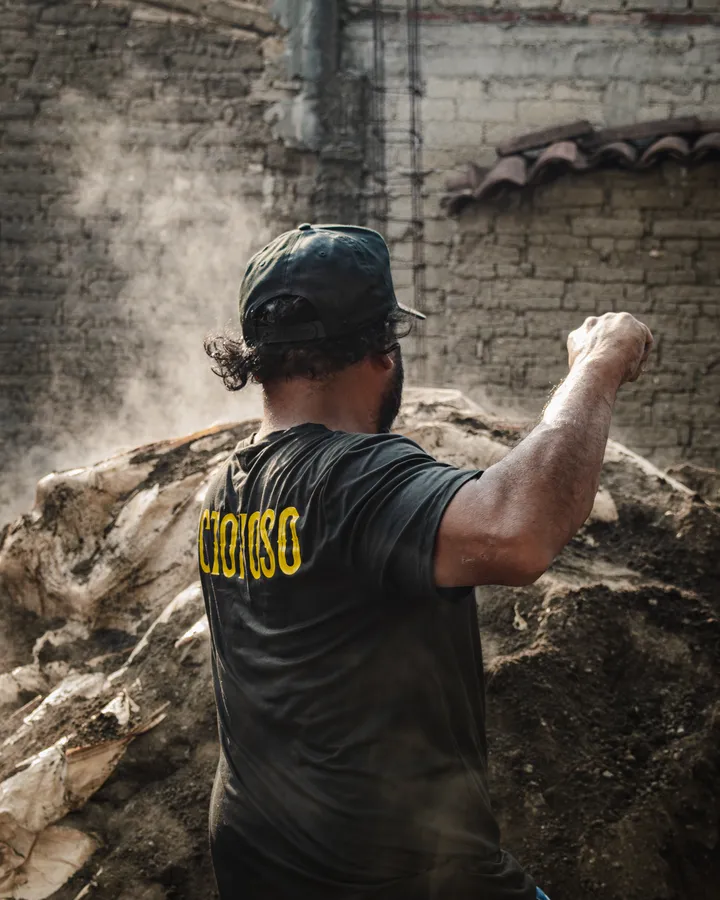
The 1972 Mezcalero Strike: A Legacy of Resilience and Tradition
By Victorioso Mezcal
In 1972, the mezcaleros of Oaxaca stood as one against the industrialization of their craft — a pivotal moment that shaped the artisanal mezcal movement forever.
In 1972, the mezcal industry of Oaxaca stood at a crossroads. The previous decade had seen a surge in commercial interest in mezcal — not from connoisseurs who valued its complexity and heritage, but from industrial producers who saw an opportunity to capture the category's growing name recognition while cutting costs through mechanization, adulteration, and the displacement of traditional producers.
The Crisis That Sparked the Strike
The immediate catalyst was the widespread adulteration of mezcal by commercial producers — the addition of industrial alcohol, sugar syrups, and artificial colorings to stretch production and increase margins. These adulterated spirits were being sold under the mezcal label, undermining both the economic livelihood of traditional producers and the reputation of an ancient craft.
For the mezcaleros of Santiago Matatlán, this was not merely an economic threat. It was an existential one. Mezcal, for their communities, was not a commodity — it was a cultural inheritance, a sacred craft, and the primary source of income for dozens of families who had maintained traditional production methods across generations.
The Strike: Unity in Defense of Tradition
In the spring of 1972, traditional mezcalero families across Oaxaca's Central Valleys organized and took collective action. They refused to sell their agave to commercial producers who were adulterating their mezcal. They blocked distribution routes. They demanded that the Mexican government enforce existing regulations against adulteration and establish clearer standards for what could legally be called mezcal.
The Sernas family was among those who participated in the strike. The grandfather of Victorioso's current maestro mezcalero reportedly said, during this period: "What we are protecting is not a business. It is the knowledge our grandparents left us, and the right of our grandchildren to inherit it."
The Legacy
The 1972 strike did not resolve everything immediately. But it planted the seeds of the regulatory frameworks that would eventually give rise to the Denomination of Origin for Mezcal, established in 1994, which provides legal protections for traditional production methods and geographical origin.
More importantly, it demonstrated that traditional mezcalero communities could organize, resist, and preserve their knowledge against commercial pressure. That spirit of resistance — of insisting that authenticity matters more than efficiency — lives on in every bottle of Victorioso Mezcal produced today.
More from the Journal
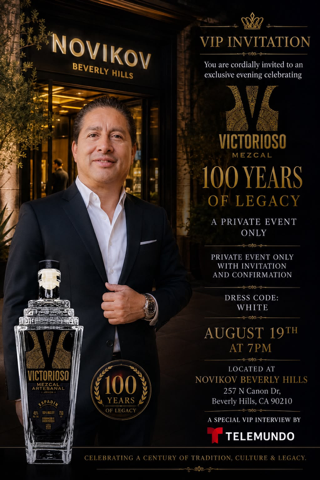
100 Years of Sernas Family Mezcal Tradition at Novikov
On August 19, Victorioso Mezcal gathers at Novikov Beverly Hills to celebrate 100 years of the Sernas family’s mezcal tradition.
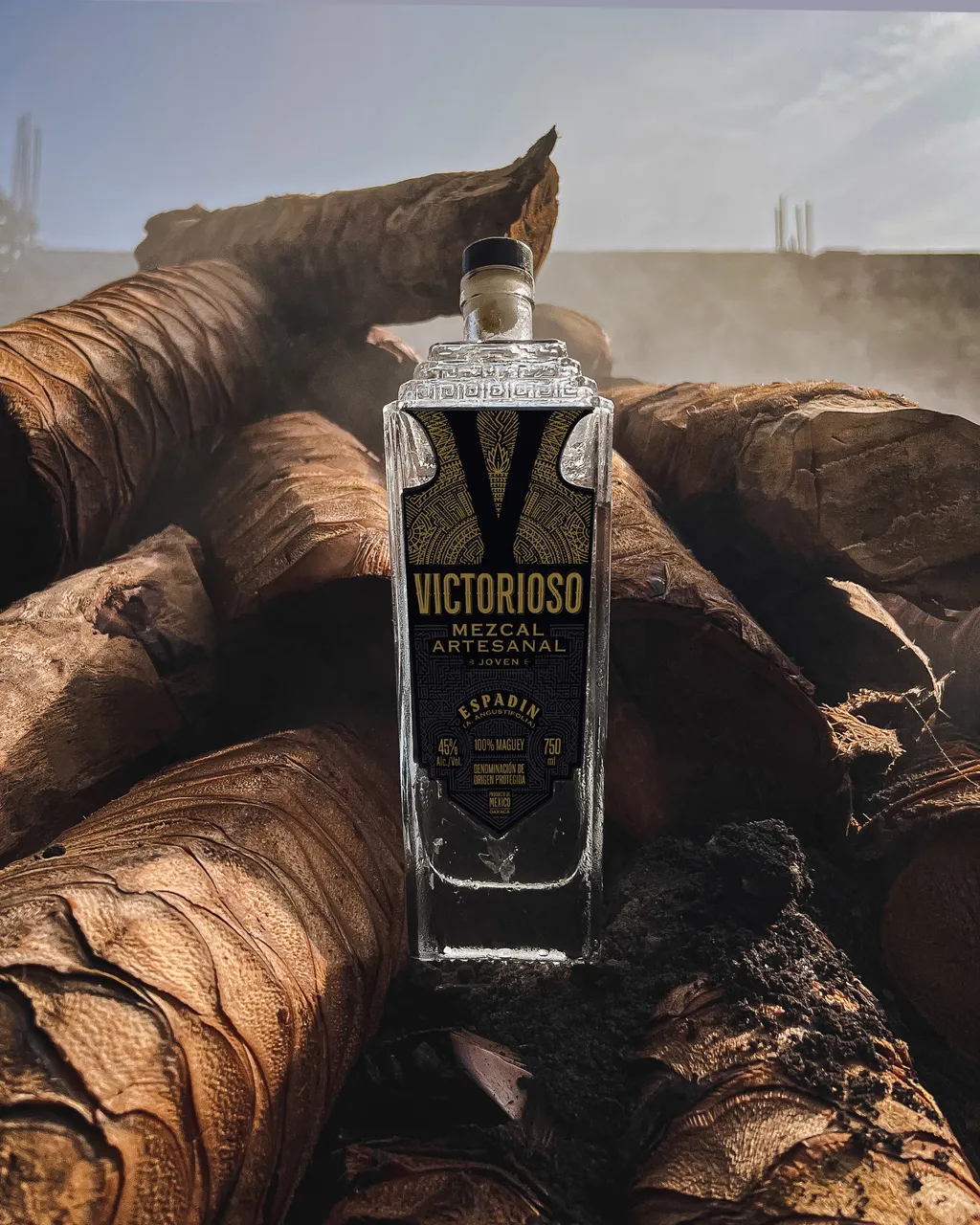
An Evening at Novikov — When Beverly Hills Discovered Mezcal
On a warm June night in Beverly Hills, Victorioso Mezcal took over one of LA's most celebrated restaurants. Here is what happened when artisanal Oaxacan craft met the most demanding room in California.