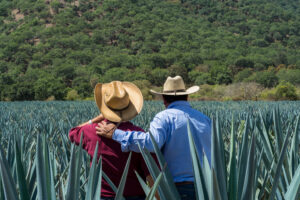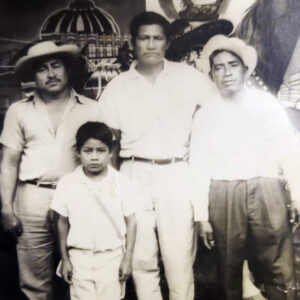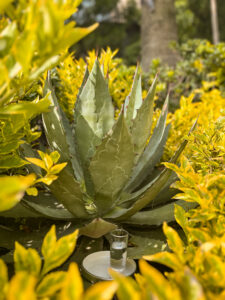
In Oaxaca’s dawn light, where mist drapes agave fields like ancestral veils, master mezcaleros ignite fires that transform humble piñas into liquid history. The choice between clay pot and copper still—between ancestral and artisanal methods—embodies philosophies of craft, tradition, and place. Distillation is alchemy: coaxing essence from earth through fire, steam, and human skill.
The Foundations of Distillation
Distillation concentrates fermented agave “wine” by heating it to vaporize alcohol and desirable flavor compounds, then cooling vapors until they re-condense. Originating in Arabic alchemy, the basic principle—vapor separation by boiling point—remains unchanged. Yet mezcal’s complexity arises from traditional equipment and techniques tailored to agave’s unique chemistry.
Mezcal falls into three production categories:
-
Ancestral: Underground clay pot distillation, using olla de barro and bamboo or clay condensing tubes.
-
Artesanal: Copper pot still distillation, maintaining traditional roasting and fermentation.
-
Industrial: Column stills and modern methods prioritizing efficiency over character.
Each category produces distinct spirits. Ancestral mezcals offer mineral complexity; artisanal mezcals highlight purity and varietal expression; industrial mezcals deliver consistency but lack traditional depth.
Clay Pot Distillation: Ancestral Mastery
Clay pot stills—olla de barro and montera—connect modern mezcaleros to pre-Hispanic artisans. Handcrafted by local potters, fired clay’s porosity imparts subtle mineral notes and gentle heat distribution. The basic setup:
-
Bottom vessel (olla) holds fermented agave must.
-
Clay cap (montera) captures rising vapors.
-
Clay or bamboo pipe carries condensing vapor to collection vessel.
Temperature control relies on fire management: adjusting wood placement, airflow, and fuel type to maintain optimal heat. Typical pit fires burn oak or mesquite coals for 8–12 hours, slowly vaporizing alcohol while preserving delicate esters.
Clay’s porosity exchanges minerals—calcium, magnesium—into the spirit, creating velvety mouthfeel and earthy undertones unmatched by metal stills. Seasoned clay pots develop character over decades, their unique mineral profiles becoming prized production assets passed through generations.
Copper Still Distillation: Spanish Innovation
Spanish conquistadors introduced copper stills in the 16th century, revolutionizing mezcal distillation. Copper’s superior conductivity allows precise temperature control, reducing scorching risks and enhancing aromatic preservation. The classic copper still consists of:
-
Caldera (pot) directly fired beneath by wood blaze.
-
Capacete (head) capturing vapors.
-
Serpentín (coiled tube) immersed in cool water for condensation.
Double distillation refines spirits:
-
First run (destrozamiento): Separates alcohol and major flavor elements from bulk liquid.
-
Second run (rectificación): Precise cuts separate heads (harsh aromas), hearts (desired flavors), and tails (oily late fractions).
Master distillers gauge cuts by sight, sound, and aroma—relying on visual cues in the serpentin vapor, liquid flow characteristics, and sensory testing. The result: clean, focused mezcals that highlight varietal and terroir nuances.
Managing Fire: The Role of Wood
Whether clay or copper, wood selection dictates smokiness, sweetness, and heat profile. Common choices:
-
Mesquite: Sharp, sweet smoke; high heat output.
-
Oak (encino): Clean burn; mild flavor.
-
Madroño: Moderate heat; floral notes.
Fire construction emphasizes deep coal beds and regulated airflow. Masters learn to “read” fire through ember color, smoke density, and aroma—adjusting fuel to maintain 200–300 °F in clay pits or precise temperatures in copper stills.
Chemical Complexity: Congeners and Flavor
Beyond ethanol, mezcal’s identity lies in congeners—phenols, esters, aldehydes, and terpenes. Each contributes distinct sensory notes:
-
Phenols (guaiacol, syringol): Clove, vanilla, smoky aromas.
-
Esters: Fruity, floral complexity.
-
Aldehydes: Green apple, nutty accents.
-
Terpenes: Herbal, citrus, and floral profiles.
Distillation equipment influences congener retention. Clay’s mineral interactions enhance earthy phenolics; copper’s chemical reactivity refines esters and removes off-flavors. Mastery involves balancing these compounds through temperature control and cut precision.
Sensory Mastery: The Mezcalero’s Palate
Traditional distillation relies on sensory evaluation over instrumentation. Expert mezcaleros assess:
-
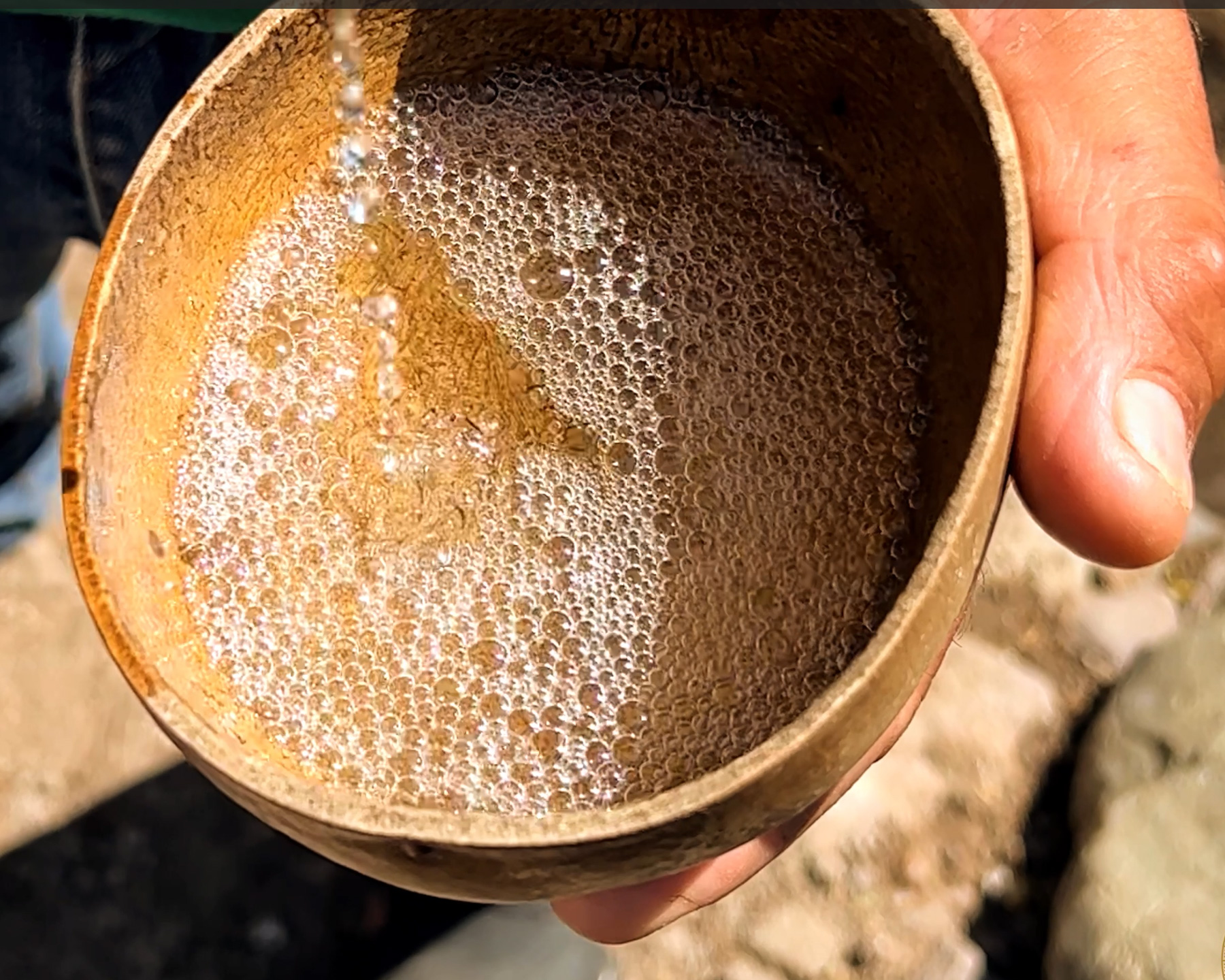
Visual: Clarity, color, viscosity (glycerin “legs”).
-
Aroma: Intensity, balance of smoke, agave, and secondary notes.
-
Taste: Integration of alcohol, mouthfeel, flavor evolution.
-
Finish: Length and aftertaste complexity.
These skills develop over years of apprenticeship, with tasting protocols refined by family tradition and community standards.
Innovation Within Tradition
Contemporary producers integrate modern tools—thermometers, quality testing, safety equipment—without sacrificing authenticity. Smart fire monitoring enhances consistency; lab analysis informs subtle adjustments; documentation preserves ancestral knowledge. The goal: preserve artisanal character while meeting modern safety and quality expectations.
Climate and Terroir Impact
Fire management and distillation must adapt to regional climate. High-altitude palenques require adjustments for reduced oxygen; coastal operations manage humidity’s effect on fuel moisture. Stone types for clay pits vary by local geology—volcanic basalt versus limestone—affecting heat retention and mineral profile.
Ensuring Sustainability
Traditional distillation remains labor- and fuel-intensive. Sustainable practices include:
-
Efficient wood use: Sourcing from managed forests.
-
Renewable energy: Solar-powered pumps and lighting.
-
Preserving clay traditions: Supporting local potters.
These measures ensure ancestral techniques endure without depleting natural resources.
The Living Connection
From underground clay cathedrals to gleaming copper pot stills, traditional distillation embodies mezcal’s timeless bond between earth, fire, and human ingenuity. Each batch captures centuries of ancestral wisdom, environmental memory, and the mezcalero’s intuitive artistry.
Raising a copa of ancestrally distilled mezcal celebrates not just flavor but lineage—honoring generations of mezcaleros whose hands guided wood, clay, and agave into liquid poetry. In every smoky sip lies the heart of Oaxaca’s most ancient craft: the eternal dance of flame and spirit. ¡Salud!