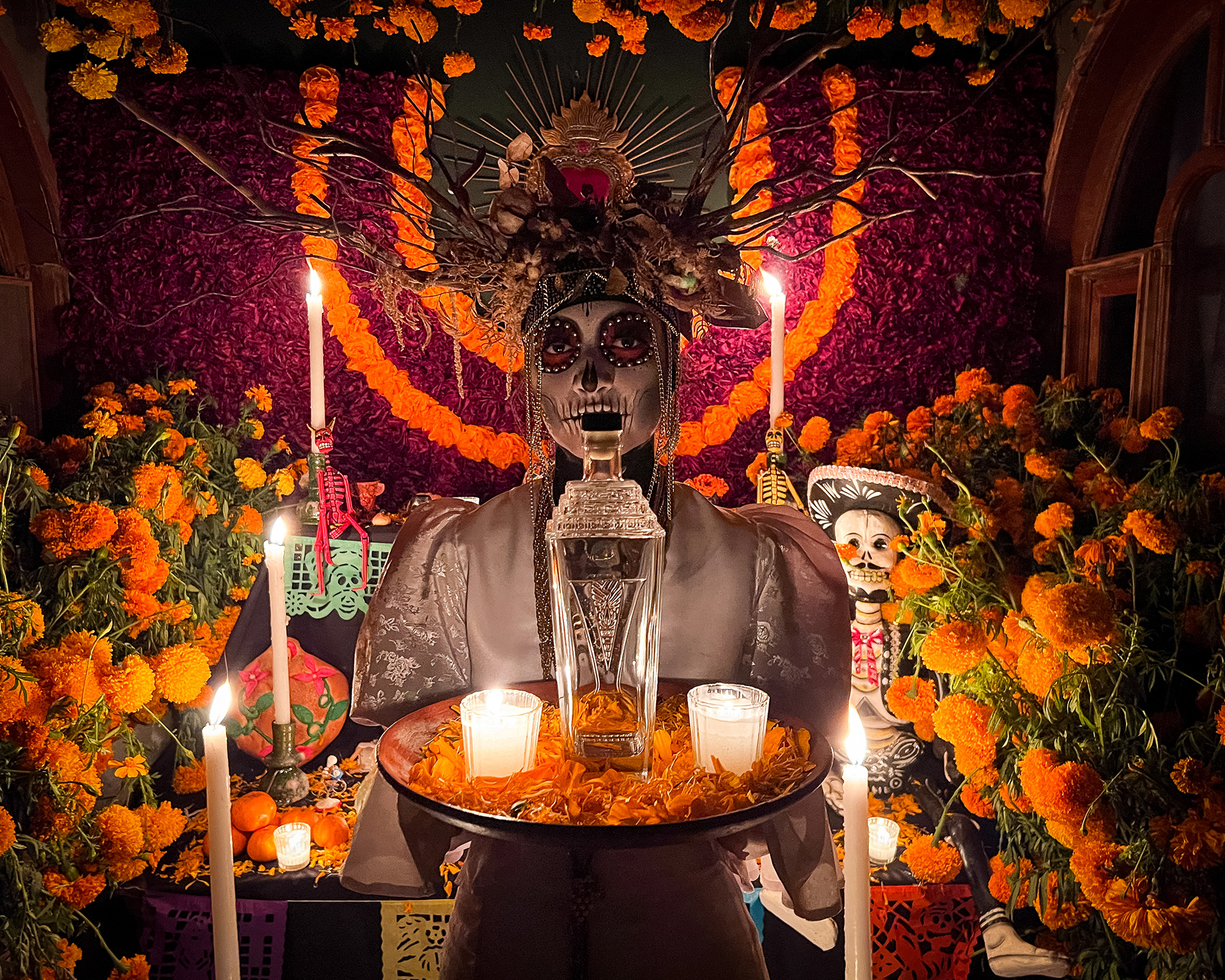
In the heart of Oaxaca, Día de los Muertos transforms the living city into a bridge between worlds. From October 31 through November 2, families honor departed loved ones with ofrendas—altars adorned with marigolds (cempasúchil), candles, pan de muerto, photographs, and mezcal. This smoky spirit not only celebrates life’s continuity but also guides ancestral souls back to the realm of the living.
The Sacred Calendar
Día de los Muertos spans three days aligned with ancient Mesoamerican beliefs and Catholic All Saints’ celebrations.
- October 31 (Hanal Pixán): Welcomes angelitos (children’s spirits) with toys and sweets.
- November 1: Honors adult souls with personal mementos and mezcal offerings.
- November 2: Families gather at cemeteries for communal vigils, cleaning graves and sharing meals beside tombs.
Family Altars: Personal Portals
Home altars—often multi-tiered—serve as personal portals for spirits:
-
Lowest tier: Earth—photographs, candles, and mezcal-filled jicaras.
-
Middle tier: Life—pan de muerto, fruits, and marigolds.
-
Top tier: Heaven—religious icons and incense that waft prayers skyward.
Mezcal’s presence is central. Small copitas (clay cups) of mezcal are placed before each photo, inviting souls to sip upon arrival. Families share mezcal sips while recounting memories, believing that each taste deepens the connection between past and present.
Cemetery Vigils: All-Night Celebrations
On November 2, cemeteries become vibrant meeting places. Families set up altars at gravesides, illuminating the night with candles and the heady scent of copal incense. Mezcal bottles circulate, passed from hand to hand as relatives and friends honor the dead with toasts and songs. In Mitla and other towns, villagers report sensing their ancestors’ presence as mezcal loosens tongues, emotions, and laughter.
Rituals and Symbolism of Mezcal
Mezcal embodies both the temporal and the eternal:
- Guiding Spirits: Its aroma and alcohol content are believed to refresh and guide souls to their altars.
- Communion: Sharing mezcal sips creates a communal bond that transcends death.
- Respect and Hierarchy: Guests are offered mezcal first; refusal is considered rude. Hosts pour liberally, honoring both living and dead equally.
The ritual “besito a besito” (little kiss by little kiss) highlights slow, respectful consumption. Each sip—often accompanied by a whispered toast—becomes a benediction for memory itself.
Culinary Traditions: Food of the Dead
Mezcal pairs with iconic Día de los Muertos dishes:
-
Pan de Muerto: Slightly sweet bread often flavored with orange blossom and anise. Families sometimes bake loaves infused with mezcal, symbolizing unity between drink and food.
-
Mole Negro: Rich, complex sauce of multiple chiles, nuts, and chocolate. A splash of mezcal in mole deepens flavor and honors ancestral recipes.
-
Chocolate y Mezcal: Hot chocolate spiced with cinnamon and gently laced with mezcal for celebratory breakfasts.
Public Festivities and Cultural Exchange
Beyond private altars, Oaxaca’s streets host parades, music, and art installations celebrating Muertos culture. Mezcal bars and restaurants craft themed tastings and pairings, educating visitors on mezcal’s ceremonial role. While modern performances add contemporary flair, authentic celebrations remain rooted in family and community rituals.
Mezcal’s Role in Healing and Memory
Día de los Muertos provides sanctioned space for grief, storytelling, and renewal. Mezcal’s disinhibiting and warming properties facilitate emotional release and communal healing. Elders share family histories; children learn ancestral names. The spirit acts as mnemonic catalyst, helping preserve lineage and reinforce cultural identity.
Sustainability and Tradition
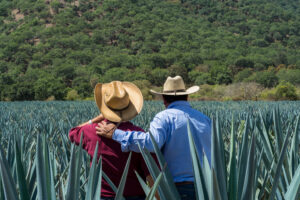
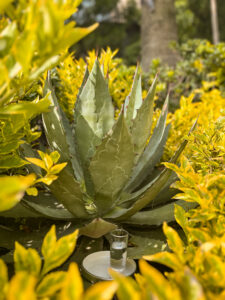
Maintaining authentic mezcal for Muertos ceremonies depends on supporting traditional producers and sustainable agave harvesting. As global interest grows, responsible consumption during Día de los Muertos—and year-round—ensures communities can continue crafting the spiritual brew that sustains both earth and memory.
In every clay cup raised to honor the dead, mezcal affirms life’s continuity and the sacred bond that endures beyond mortality. By sharing its smoky depths during Oaxaca’s greatest festival, communities partake in an age-old conversation with ancestors—one sip at a time. ¡Salud!